

Last Updated: November 22, 2026
Quick Summary
African coffee beans make the best espresso when they are dense, high-grown Arabica roasted for espresso, since their acidity, sweetness and aroma survive nine bars of pressure. Choose a natural Ethiopian for milk drinks and crowd-pleasing shots, or a washed Kenyan for black espresso and citrus lovers.
- Every coffee in our African espresso range is roasted for espresso and drinks best one to five weeks post roast.
- Natural-process Ethiopians run faster through the puck than washed Kenyans, so grind finer for the Kenyan.
- Our house Ethiopian natural Guji Alaka pours at 20 g in, 33 g out, 92C, 28 to 31 seconds.
- The washed Kenyan Kiriaini AA is high acidity with white currants, honey, dark chocolate and mandarin notes.
- The Out of Africa Blend took a Silver Medal at the 2024 GoldenBean Australasia awards in the espresso category.
Table of Contents
- What Makes African Coffee Beans the Best Coffee Beans for Espresso
- Quick Comparison: Six African Espresso Coffees Side by Side
- Ethiopian Coffee Beans for Espresso: Naturals, Guji and Carbonic Lots
- Kenyan Coffee Beans for Espresso: Washed Clarity and Sparkling Acidity
- Blend or Single Origin: Choosing Your African Coffee Beans
- How to Dial In Espresso for Each African Origin and Roast
- Freshness, Roast Dates and Storage for African Espresso Beans
- How African Espresso Beans Perform in Milk Drinks
- Frequently Asked Questions
What Makes African Coffee Beans the Best Coffee Beans for Espresso
African coffee beans are the best beans for espresso when you want a shot with real character: high-grown Arabica from East Africa typically carries the acidity, sweetness and aroma that survive nine bars of pressure. Garage Roasters roasts African single origins for espresso.
Acidity, Body and Why Espresso Punishes Weak Beans
Espresso is a stress test. Water at roughly 92C hits a compressed puck at high pressure and pulls everything soluble out in under 30 seconds. Beans with thin structure give up their acids early and their sugars late, and you taste the gap.
The beans that survive this are dense, high-grown Arabica with enough sugar development to buffer their own acidity. That is why a washed Kenyan can taste of blackcurrant and blood orange in a 20 g basket rather than vinegar. Roast level matters too: a medium roast keeps fruit intact, while a dark roast trades those notes for chocolate and body.
A common mistake is buying a light filter roast and expecting it to behave in an espresso basket. It usually channels, runs fast, and tastes hollow. Buy beans roasted for espresso, then dial them in.
Quick Comparison: Six African Espresso Coffees Side by Side
Here is our current African espresso selection, ranked by what each one does best in an espresso basket rather than in a cupping bowl. Every coffee below is roasted for espresso and drinks best between one and five weeks post roast. Use the table as a shortlist, then read the origin sections for the dial-in recipe that suits each one.
| Coffee | Price | Origin & Process | Roast | Acidity | Body | Best For |
|---|---|---|---|---|---|---|
| Ethiopian Single Origin Espresso | $19.00 | Ethiopia, natural Guji Alaka | Medium | Medium | Medium | Milk drinks and crowd-pleasing shots |
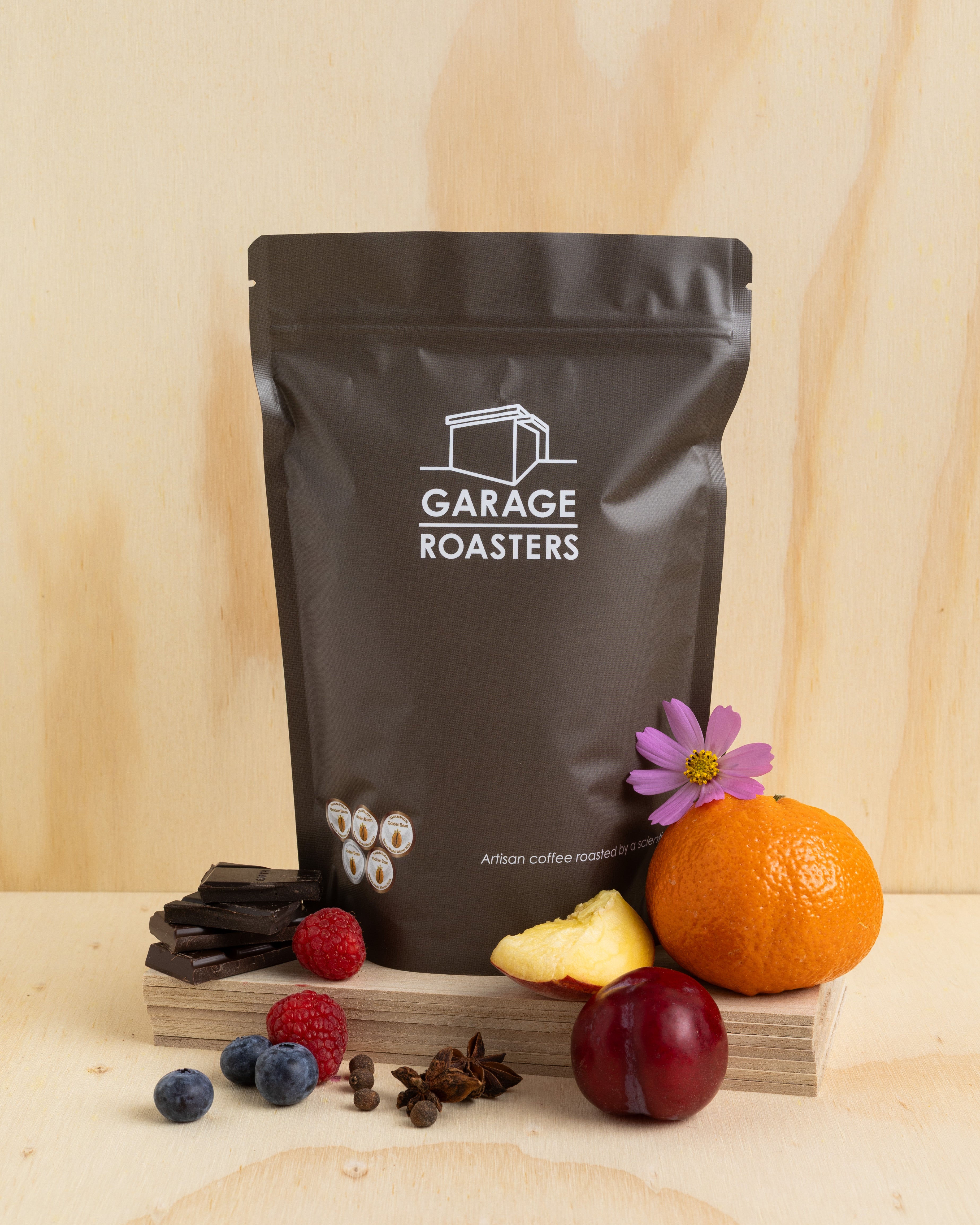
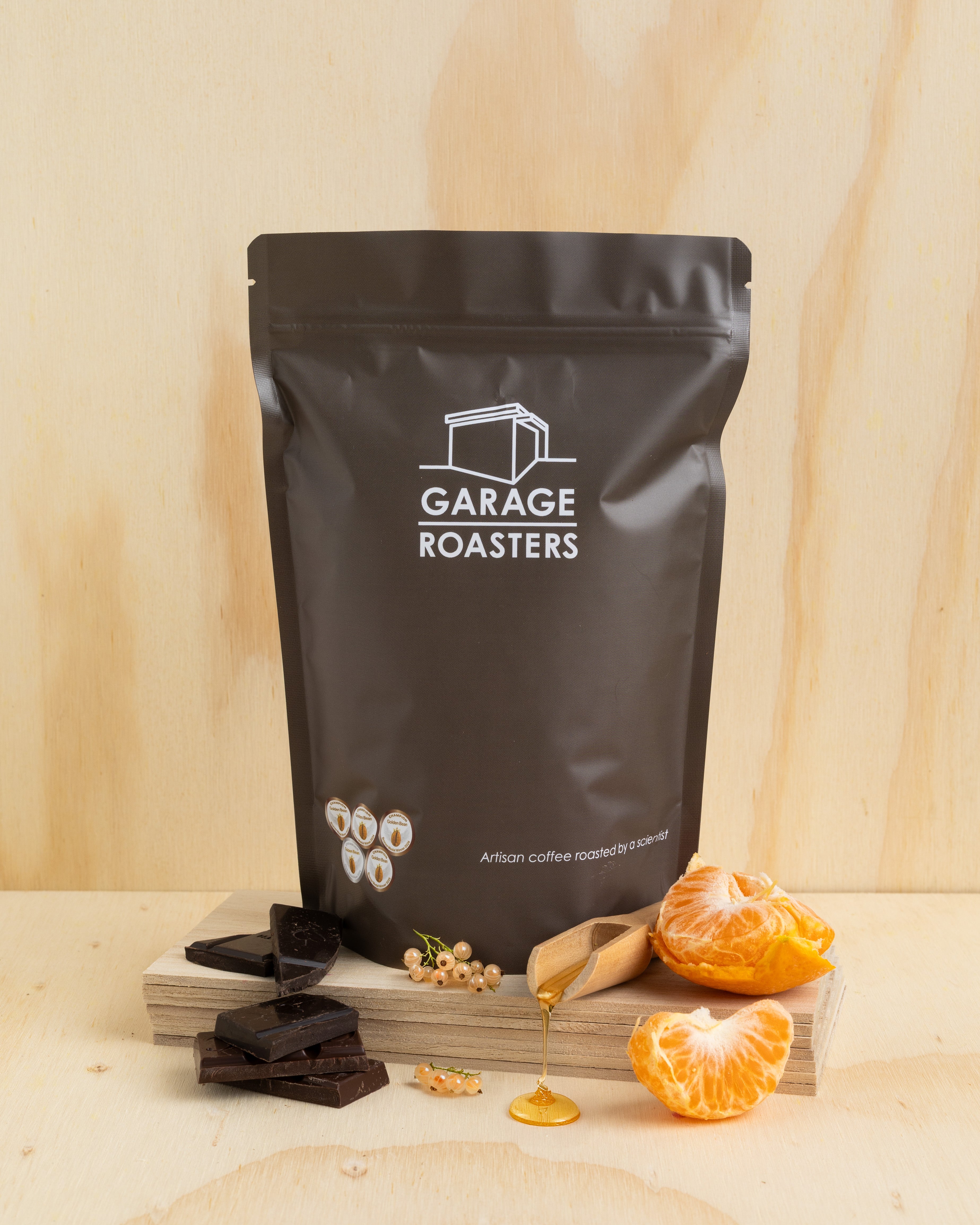
| Kenyan Single Origin Espresso | $19.00 | Kenya, washed Kiriaini AA | Medium | High | Medium | Black espresso, citrus lovers |
| Mount Kenya Kiamaina Nyeri | $23.00 | Kenya, washed Nyeri AA | Medium | Medium | Medium | Blackcurrant fans, limited stock |
| Out of Africa Blend | $23.00 | Grade 1 African blend, natural and washed | Medium | Medium-high | Medium-full | Everyday espresso and flat whites |
| Guji Masina Ethiopia CMW Diamond | $35.00 | Ethiopia, washed carbonic maceration | Medium | Medium | Light-medium | Delicate, tea-like modern profile |
| Ethiopia Kochere Carbonic Grade 1 | $35.00 | Ethiopia, carbonic maceration | Medium | Medium | Light-medium | Adventurous drinkers, floral shots |
Price
A few patterns are worth knowing before you choose. Natural-process Ethiopians run faster through the puck than washed Kenyans at the same grind setting, so expect to grind finer for the Kenyan and slightly coarser for the Guji natural. Carbonic maceration lots sit between the two: they are cleaner than a natural but less structured than a washed Kenyan, and they pour best slightly shorter because the floral aromatics turn soapy if you push the yield too far.
If you want to browse the range in one place, our single origin espresso collection lists what is currently on the shelf. The blend sits alongside the single origins in the African blend option.
Watch out: do not buy a light filter roast from this list and expect it to behave in a 20 g basket. Every coffee above is roasted for espresso, and a filter roast of the same green coffee will usually channel, run fast and taste hollow at the same dose and grind.
Ethiopian Coffee Beans for Espresso: Naturals, Guji and Carbonic Lots
Ethiopian coffee beans for espresso deliver the fruit and florals that made the country famous, and the processing method decides which version you get. Naturals dry the whole cherry and push berry, stone fruit and cocoa into the cup. Washed lots are cleaner and more floral.
Our house Ethiopian is a grade 1 natural Guji Alaka, with notes of cocoa, candy citrus, limoncello and apricots. It is medium roast, medium acidity, and it works beautifully with milk. The recipe we use: 20 g in, 33 g out, 92C, 28 to 31 seconds.
The Natural Guji Profile and How It Pours
The Ethiopia Kochere carbonic lot is a grade 1 coffee with peach, jasmine, mango and black tea notes.
Kenyan Coffee Beans for Espresso: Washed Clarity and Sparkling Acidity
Kenyan coffee beans for espresso offer high acidity. Washed Kenyans carry blackcurrant, citrus and spice notes.
Our current washed Kenyan is the Kiriaini AA from Murang'a County, with white currants, honey, dark chocolate and mandarin. Acidity is high, body medium, and the recipe is 20 g in, 34 g out at 92C for 26 to 29 seconds.
Single Lot or Limited Release: Which Kenyan to Pick
The Kiriaini AA is the washed Kenyan listed with white currants, honey, dark chocolate and mandarin notes. The Mount Kenya Kiamaina Nyeri is a limited edition with blackcurrant notes.
Our washed Kenyan single origin is the regular. The Mount Kenya Kiamaina Nyeri is the limited one: blackcurrant, dark and red berries, blood orange and brown sugar, at $23.00, and stock will not last.
Blend or Single Origin: Choosing Your African Coffee Beans
Choose a blend for consistency and single origin for character. A blend lets a roaster balance intensity against brightness, which is exactly what makes a good everyday espresso forgiving of small mistakes.
Our Out of Africa Blend is grade 1 African coffee, natural and washed components, with dark chocolate, blood orange, apricot, almond, honey and a hint of raspberry. It took a Silver Medal at the 2024 GoldenBean Australasia awards in the espresso category. You can see the African blend option alongside the single origins.
How to Dial In Espresso for Each African Origin and Roast
Dial in African espresso by changing one variable at a time, starting with grind, then dose, then temperature. African beans are dense and often need a finer grind than you expect, and the natural-process lots run faster than washed ones at the same setting.
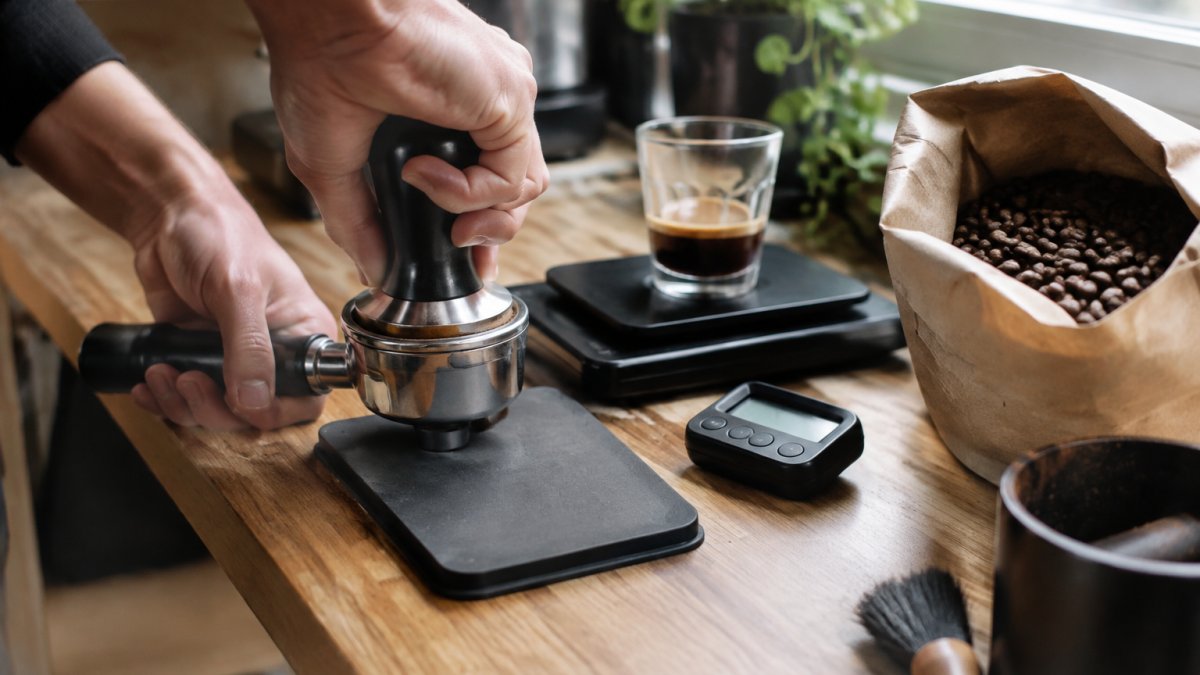
Use this sequence:
- Set dose first. We use 20 g across the range, which keeps comparisons honest.
- Fix the yield. Aim for roughly 1:1.6 to 1:1.7 for most African espresso, so 20 g in and 30 to 35 g out.
- Adjust grind for time. Target 26 to 31 seconds. Faster means finer, slower means coarser.
- Change temperature last. 92C suits every coffee in our range; drop to 90C if a washed Kenyan tastes sharp.
- Taste, then repeat. Sour and thin means under-extracted. Dry and bitter means over-extracted.
Keep notes.
Freshness, Roast Dates and Storage for African Espresso Beans
Freshness decides whether your dial-in work holds. Espresso needs beans rested enough to release CO2 but not so old that the aromatics are gone, which is why we print a roast date and recommend drinking within one to five weeks.
Store beans in an airtight container, away from light and heat, at room temperature. Do not refrigerate them; condensation and fridge odours do more damage than slow staling. Freeze only if you are buying more than you can drink in a month, and freeze in sealed portions you will use whole.
If you want the longer argument on this, our piece on whether freshly roasted coffee is worth paying more for covers the trade-offs in detail.
How African Espresso Beans Perform in Milk Drinks
The Ethiopian natural and the Kenyan washed lots are listed as suitable with milk.
Frequently Asked Questions
Which African coffee beans are best for espresso?
There is no single winner, because the right pick depends on the cup you want. Ethiopian naturals, such as a grade 1 Guji, give cocoa, candy citrus and stone fruit with medium acidity. Washed Kenyans bring higher acidity and blackcurrant or mandarin notes. A blend of grade 1 African beans, like the Out of Africa Blend, balances intensity with brightness and suits both straight shots and milk. Match the origin to your taste rather than chasing a label, and check the roast date before you buy.
Are Ethiopian coffee beans good for espresso?
Yes, when they are roasted for espresso rather than filter. Natural process Ethiopians carry citrus, berries, stone fruit and dark chocolate notes that survive a 20 g dose and a 33 g yield. A medium roast Ethiopian with a 28-31 second shot time is a listed starting recipe.
Are Kenyan coffee beans too acidic for espresso?
They are high in acidity, not too acidic. Kenyan washed lots are prized for sparkling acidity, and that brightness is the point. If a shot tastes sharp rather than bright, extend the yield slightly or raise the brew temperature rather than switching origin. A Kenyan with a 20 g dose and 34 g yield at 92C over 26-29 seconds keeps the acidity balanced against honey and dark chocolate sweetness. Pair it with milk if you want the edges rounded off.
Should African coffee beans be roasted dark for espresso?
Not necessarily. A medium roast keeps the origin character, the floral and fruit notes, intact while still giving enough body for espresso. Dark roasting flattens the acidity and sweetness that make African beans worth buying. All six coffees in this guide are medium roast and roasted for espresso, which means they are developed enough to extract evenly without burying the tasting notes. If a shot tastes hollow, adjust grind and yield before blaming the roast level.
How should I dial in African coffee beans for espresso?
Start from the roaster's recipe, then change one variable at a time. For a 20 g dose, hold temperature at 92C and adjust grind until the shot runs within the stated window, such as 28-31 seconds for the Ethiopian or 26-29 seconds for the Kenyan. If it tastes sour, grind finer or extend the yield by a gram or two. If it tastes bitter or dry, grind coarser. Log each change so you can repeat the shot that worked.
