
Last Updated: October 22, 2026
Quick Summary
The best African single origin coffee depends on whether you want fruit-forward sweetness or bright acidity. Our Ethiopian Single Origin Espresso ($19.00) is the easiest entry point, while the Kenyan Kiriaini AA ($19.00) suits drinkers who want high acidity and clarity. Every African single origin coffee we list is roasted for espresso and sold in 250 g bags.
- Ethiopia is the birthplace of Arabica, and its wild heirloom varieties carry flavours you will not find elsewhere.
- Kenyan coffee gets its blackcurrant character from SL28 and SL34 cultivars grown at high altitude and washed.
- Our Ethiopian espresso recipe is 20 g in, 33 g out, 92C, 28-31 seconds.
- Kenyan AA refers to screen size, not quality grade, so a well-processed AB lot can out-cup a poorly processed AA.
- Every coffee here has an optimal drinking window of one to five weeks post roast.
Table of Contents
- Why African Single Origin Coffee Tastes Different
- The 5 Best African Single Origin Coffees Compared
- Ethiopian Single-Origin Coffee: Natural Process and Floral Lift
- Kenyan Coffee Beans: Blackcurrant, Acidity and Structure
- African Coffee for Espresso: Matching Bean to Brew Method
- How to Choose Single-Origin Coffee Without Guesswork
- Frequently Asked Questions
Why African Single Origin Coffee Tastes Different
African single origin coffee tastes different because of three things working together: the variety grown, how the cherries are processed, and the altitude and soil of the region. Ethiopia is the birthplace of Arabica, and its wild heirloom varieties carry flavours you will not find elsewhere. Kenya's SL28 and SL34 cultivars produce the blackcurrant and bright acidity buyers seek out.

At Garage Roasters, we have spent years roasting African origins and watching how processing changes the cup.
Here is the part most guides skip. The Specialty Coffee Association's green coffee guidance treats origin, variety and process as separate quality variables for exactly this reason.
Below, we rank five African single origin coffees we roast and sell, with the process, tasting notes and brew recipe for each.
The 5 Best African Single Origin Coffees Compared
Every coffee here is a single origin, roasted for espresso, and sold in 250 g bags.
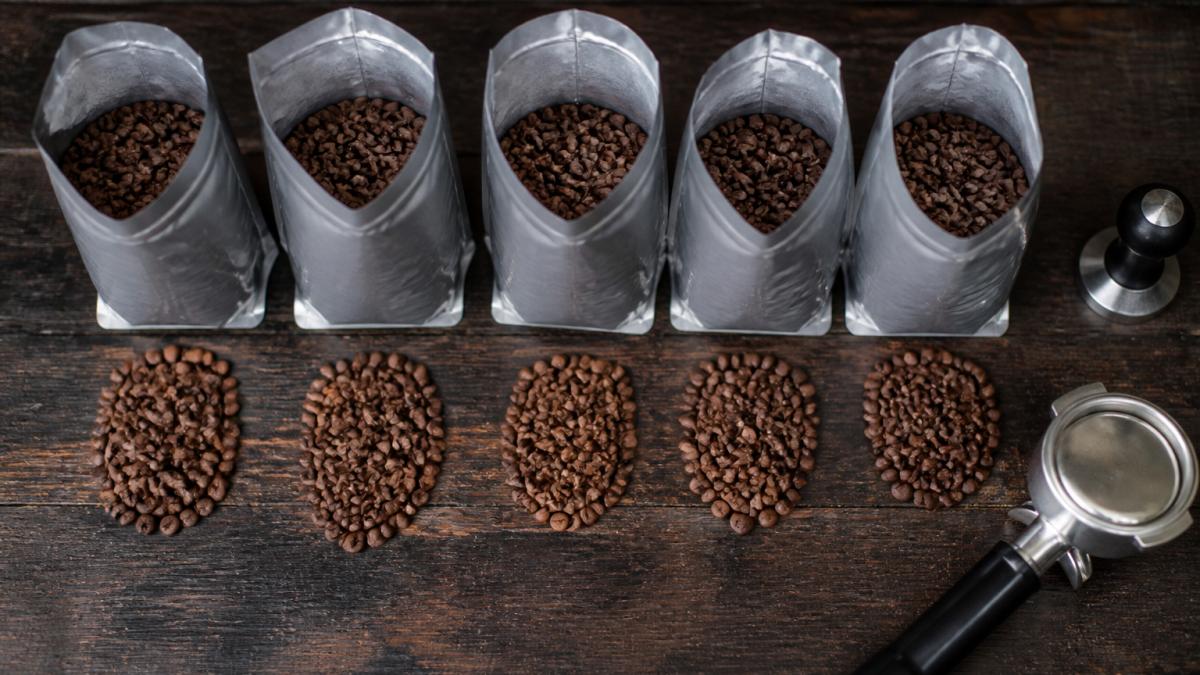
1. Ethiopian Single Origin Espresso ($19.00). Our bestseller and the easiest entry point.
2. Kenyan Single Origin Espresso ($19.00). The Kiriaini AA from Murang'a County, washed, with white currants, honey, dark chocolate and mandarin.

3. Mount Kenya Kiamaina Nyeri ($23.00). A limited release from our Coffee Prototypers series.
4. Guji Masina Ethiopia CMW Diamond ($35.00). Washed carbonic maceration from Project Origin's Signature Series.
5. Ethiopia Kochere Carbonic Grade 1 Girma Bekele Lot ($35.00). Carbonic maceration from Kochere, supplied by Condesa Co.Lab.
Quick Comparison: Origin, Process and Price
| Coffee | Origin | Process | Tasting Notes | Acidity | Price |
|---|---|---|---|---|---|
| Ethiopian Single Origin Espresso | Guji, Ethiopia | Natural | Cocoa, candy citrus, limoncello, apricot | Medium | $19.00 |
| Kenyan Single Origin Espresso | Murang'a, Kenya | Washed | White currant, honey, dark chocolate, mandarin | High | $19.00 |
| Mount Kenya Kiamaina Nyeri | Nyeri, Kenya | Washed | Blackcurrant, red berries, blood orange, brown sugar | Medium | $23.00 |
| Guji Masina CMW Diamond | Guji, Ethiopia | Washed carbonic maceration | Milk chocolate, apricot, white peach | Medium | $35.00 |
| Ethiopia Kochere Carbonic | Kochere, Ethiopia | Carbonic maceration | Peach, tropical fruit, black tea, jasmine, mango | Medium | $35.00 |
Ethiopian Single-Origin Coffee: Natural Process and Floral Lift
Ethiopian single-origin coffee is defined by floral lift and fruit sweetness, and the natural process amplifies both.
Washed Ethiopians taste cleaner and more tea-like because the fruit is removed before drying, so the cup reflects the bean and soil rather than the cherry.
Ethiopian heirloom varieties are not one cultivar. They are landraces, often grown as garden coffee in small plots, and vary lot to lot.
Reading an Ethiopian label: region, grade and process
Three pieces of information do most of the work when you are choosing between Ethiopian lots:
- Region. Guji and Yirgacheffe are the two names you will see most often. Guji lots tend toward stone fruit, cocoa and a rounder body; Yirgacheffe lots tend toward jasmine, citrus and tea-like clarity. Sidama and Kochere sit between them depending on the lot.
- Grade. Ethiopian green coffee is graded partly by defect count, with grade 1 the cleanest. A grade 1 natural has fewer fermented or phenolic defects than a lower grade, which is why it can carry big fruit without tasting boozy.
- Process. Natural, washed, or an experimental fermentation such as carbonic maceration. The process tells you more about the cup than the country does.
Our current Ethiopian is a grade 1 natural from Guji, and our espresso recipe (20 g in, 33 g out, 92C, 28-31 seconds) keeps that fruit sweetness from tipping into sourness. A washed Ethiopian from the same region would want a slightly different recipe, since less fruit-derived sugar means less to buffer a sharp extraction.
Natural vs washed Ethiopian: a side-by-side
| Natural Ethiopian | Washed Ethiopian | |
|---|---|---|
| Drying method | Whole cherry on raised beds | Fruit removed before drying |
| Typical cup | Berry, stone fruit, cocoa, rounder body | Jasmine, citrus, black tea, lighter body |
| Acidity | Medium, soft | Medium to high, precise |
| Forgiveness | Forgiving on basic equipment | Rewards good grind and water |
| Best brew | Espresso, milk drinks, batch brew | Filter, pour-over, black espresso |
How harvest and processing change the cup
Ethiopia's main harvest runs roughly from October to January, with cherries picked selectively over several passes rather than stripped in one go.
On the drying bed, cherries are turned regularly and covered during rain or the hottest part of the day. Drying too fast cracks the bean and loses aromatics; too slow invites mould and phenolic flavours.
"Apricot and limoncello" is the outcome of a specific cherry, bed and number of days.
Kenyan Coffee Beans: Blackcurrant, Acidity and Structure
Kenyan coffee beans are prized for blackcurrant, blackberry and a bright, wine-like acidity that gives the cup structure.
SL28 is the cultivar most associated with blackcurrant. Selected in the 1930s for drought tolerance and cup quality rather than yield, it produces low volumes of small, dense beans. SL34 has a similar profile but often more body and less of the sharp blackcurrant edge.
Ethiopian Single Origin Espresso →
What Kenyan grades actually mean
Kenyan AA refers to screen size, not quality grade. Beans are sorted through screens with round holes, and AA is the largest size.
Screen size tells you about bean shape, not how the coffee will taste. A well-processed AB lot can out-cup a poorly processed AA. The grade that matters more for flavour is the processing and lot selection behind it, which is why we cup every Kenyan lot rather than buying on screen size.
Why Kenyan coffee tastes so structured
Kenyan washed processing is unusually rigorous. After picking, cherries are pulped and fermented, often in two stages with a soak in clean water afterwards.
High-altitude growing conditions slow cherry ripening, concentrating sugars and acids in the bean. Combine that with SL28's genetics and a clean washed process and you get the blackcurrant-and-citrus structure buyers associate with Kenya. Remove any one of the three and the profile changes.
Our two Kenyans, side by side
| Kiriaini AA | Kiamaina Nyeri | |
|---|---|---|
| County | Murang'a | Nyeri |
| Process | Washed | Washed |
| Cup | White currant, honey, dark chocolate, mandarin | Blackcurrant, red berries, blood orange, brown sugar |
| Acidity | High, sparkling | Medium, structured |
| Best for | Filter, black espresso, drinkers who want clarity | Espresso, milk drinks, drinkers who want fruit depth |
Our two Kenyans show how far one origin can stretch. The Kiriaini AA is washed and high in acidity, all white currant and mandarin. The Kiamaina Nyeri is the rarer blackcurrant expression, with blood orange and brown sugar underneath.
Choosing between Kenyan lots
When buying Kenyan coffee, the useful questions are which county, which cultivar and which grade. Nyeri and Murang'a are the two counties most often named on specialty bags, both high-altitude with smallholder plots delivering cherry to central washing stations.
Harvest timing matters too. Kenya's main crop is picked roughly from October to December, with a smaller fly crop earlier in the year. A main-crop lot usually has more density and structure than a fly-crop lot.
African Coffee for Espresso: Matching Bean to Brew Method
African coffee for espresso works best when you match the bean's acidity and body to your machine and your taste. High-acidity Kenyans need a longer ratio to balance. Medium-acidity Ethiopians and carbonic lots pull well at a tighter 1:1.5 ratio.
Here is how we would brew each one:
- Ethiopian Single Origin Espresso: 20 g in, 33 g out, 92C, 28-31 seconds. Bright and balanced.
- Kenyan Single Origin Espresso: 20 g in, 34 g out, 92C, 26-29 seconds. Expect a sparkling, structured shot.
- Guji Masina CMW Diamond: 20 g in, 30 g out, 92C, 27-30 seconds. Delicate, so keep the ratio tight.
All five are medium roast and suit milk if you want it.
How to Choose Single-Origin Coffee Without Guesswork
Choosing single-origin coffee without guesswork comes down to reading four things on the bag: origin, variety, process and roast date. Origin gives country and region, variety gives the cultivar, process tells you washed, natural or experimental, and roast date tells you whether the coffee is in its window.
Most bags give you two of those four. A roaster that lists all four knows its supply chain, which is the difference between a traceable single origin and a vague country label.
Then match the process to your taste:
- You like clean, bright, tea-like cups: washed Kenyans and washed Ethiopians.
- You like fruit-forward sweetness: natural Ethiopians.
- You want something unusual: carbonic maceration lots, which sit between wine and fruit juice in character.
If you want a starting point rather than a research project, our Ethiopian Single Origin Espresso is the bag we hand to someone trying African coffee for the first time. It is forgiving on a basic machine, works with milk, and the tasting notes match the label. For a step up in clarity, pick the Guji Masina CMW Diamond.
One honest limitation: our limited releases sell out, and the Kiamaina Nyeri and both carbonic lots are small-volume coffees.
The hard part of buying African single origin coffee is not finding good beans. It is finding a roaster consistent enough that you are not redialling your grinder every morning.
Frequently Asked Questions
How do Ethiopian and Kenyan coffees differ?
Ethiopian lots, especially natural process beans, lean toward cocoa, candy citrus, apricots and florals with medium acidity. Kenyan washed beans are built around blackcurrant, dark berries and sparkling acidity, with higher structure and body. In practice, an Ethiopian single-origin coffee reads rounder and sweeter, while Kenyan coffee beans read brighter and more complex. Both work well as espresso at a medium roast, but you will dial them in differently: expect a slightly longer ratio on the Kenyan to tame the acidity.
Which African coffee is best for espresso?
It depends on the shot you want. For a rounded, sweet espresso with cocoa and stone fruit, the Ethiopian Single Origin Espresso at $19.00 is the easy pick, dosed at 20 g in and 33 g out over 28-31 seconds at 92C. For a brighter, more structured shot, the Kenyan Single Origin Espresso at $19.00 runs 20 g in and 34 g out over 26-29 seconds. Both are medium roast and both take milk well, so the choice comes down to acidity preference rather than equipment.
What flavours are common in African single-origin coffee?
Expect fruit-forward cup character rather than heavy chocolate. Ethiopian naturals show citrus, berries, stone fruit, cocoa and floral hints. Kenyan washed lots show blackcurrant, blackberry, red wine-like depth, blood orange and brown sugar. Acidity tends to be higher than South American beans, and aroma is more pronounced. If you usually drink dark, nutty blends, start with a medium roast Ethiopian and work outward.
How should you choose single-origin coffee for your brewing method?
Match the roast and process to how you brew. Espresso benefits from medium roasts with enough body and a published recipe, which is why the Garage Roasters range lists dose, yield, temperature and time on every bag. Filter brewing rewards lighter, washed lots where clarity and acidity show through. Check the roast date and drink within one to five weeks post-roast for peak flavour. If you use a basic home machine, start with the Ethiopian or Kenyan espresso at $19.00 before moving to the $35.00 limited releases.
Is single-origin coffee better than an African blend?
Neither is better, but they do different jobs. Single-origin coffee shows one place, one process and one harvest, so the flavour is traceable and repeatable. Blends trade that specificity for balance and consistency across milk drinks. If you want to taste what a Guji natural or a Nyeri AA washed lot actually tastes like, buy single origin. If you want a house espresso that tastes the same every week regardless of harvest, a blend is the safer choice.