
Table of Contents
- What Makes Single Origin Coffee Different
- Single Origin vs Blend Coffee: Which Should You Choose
- Quick Comparison of Our Single Origin Selection
- African Single Origins: Ethiopian and Kenyan Varieties
- Colombian and Specialty Single Origins
- Understanding Tasting Notes in Coffee Explained
- How to Brew Single Origin Coffee for Best Results
- Freshness, Storage and Sustainability
- Frequently Asked Questions
Last Updated: September 28, 2026
What Makes Single Origin Coffee Different
Single origin coffee comes from a single country, region, or farm rather than multiple origins, preserving the unique characteristics of that terroir, altitude, soil, climate, and processing methods that define its taste.

When you buy single origin coffee, you're getting a direct expression of where it grew. Ethiopian coffees taste different from Kenyan ones; Colombian beans differ from Central American varieties. Processing method, washed, natural, or honey, further shapes the flavour profile.
Garage Roasters sources top-grade single origins roasted using a scientific approach refined over thousands of test roasts, ensuring consistency and stability that eliminates daily extraction adjustments.
Single origin coffee offers traceability and flavour complexity. You know exactly where your beans came from and can taste the difference between a washed Kenyan's bright acidity and a natural Ethiopian's stone fruit notes, transforming brewing from guesswork into precision.
Single Origin vs Blend Coffee: Which Should You Choose
Single origin and blend coffees serve different purposes, and the choice depends on what you value in your cup.

Single origin coffee highlights one region's characteristics: Ethiopian naturals bring fruity, floral complexity; Kenyans offer bright acidity with berry notes; Colombians deliver balanced sweetness and chocolate. This clarity makes single origins ideal for filter brewing or espresso exploration.
Blend coffee combines beans from multiple origins for consistent, balanced flavour. Engineered for stability week to week and batch to batch, blends suit busy home baristas who don't want to adjust grinder or extraction time as seasonal harvests change.
Single origins offer exploration and terroir expression; blends offer consistency and approachability. Choose single origin for experimentation, blends for set-and-forget simplicity.
For espresso, single origins require more attention: a 2-second extraction difference shifts taste noticeably.
Quick Comparison of Our Single Origin Selection
| Coffee | Origin | Processing | Tasting Notes | Price | Best For |
|---|---|---|---|---|---|
| Ethiopian Single Origin Espresso | Ethiopia (Guji Alaka) | Natural | Cocoa, candy citrus, limoncello, apricots | $19.00 | Bold, fruity espresso shots |
| Kenyan Single Origin Espresso | Kenya (Kiriaini AA) | Washed | White currants, honey, dark chocolate, mandarin | $19.00 | Bright acidity, sparkling finish |
| Mount Kenya Kiamaina Nyeri | Kenya | Washed | Blackcurrant, berries, blood orange, brown sugar | $23.00 | Complex berry character |
| Ethiopia Yirgacheffe Tulisi Anaerobic | Ethiopia (Yirgacheffe) | Anaerobic natural | Peach, caramel, maraschino cherry | $25.00 | Experimental processing |
| Colombia La Riviera Nitro Maceration | Colombia | Nitrogen fermentation | Watermelon, rock melon, honeydew, candy melon | $29.00 | Adventurous, juicy profiles |
| Costa Rica Volcan Azul Geisha | Costa Rica | Natural | Florals, jasmine, tropical fruit, lime | $35.00 | Delicate, floral espresso |
African Single Origins: Ethiopian and Kenyan Varieties
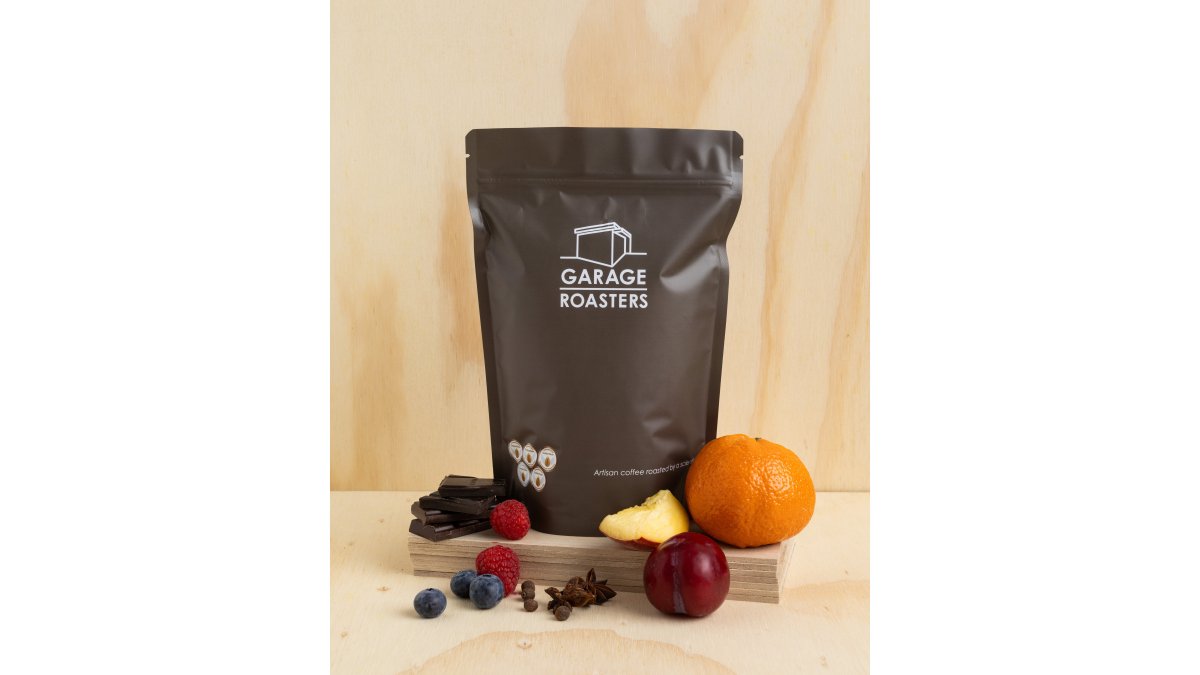
Ethiopian coffees are specialty coffee's foundation, reflecting thousands of years of cultivation on volcanic soil at high altitude. Natural process Ethiopians deliver intense fruity, floral, and stone fruit notes: citrus, berries, dark chocolate, cacao, spice, and peach.
Garage Roasters' Ethiopian single origin is a grade 1 natural Guji Alaka with cocoa, candy citrus, limoncello, and apricot notes at $19.00. Natural processing concentrates sweetness and fruit intensity, creating a full-bodied, unmistakably Ethiopian espresso.
The Ethiopia Yirgacheffe Tulisi Anaerobic at $25.00 pushes boundaries. Yirgacheffe is Ethiopia's highest-quality region; this anaerobic natural delivers peach, caramel, and maraschino cherry with balanced acidity, amplifying fruit character through sealed-chamber fermentation.
Kenyan coffees offer a different expression: washed process delivers citrus, spice, blackberry, and sparkling acidity. Removing the fruit cherry before drying allows the bean's inherent characteristics to shine, creating bright, complex, structured coffee.
The Kenyan Single Origin Espresso at $19.00 is Kiriaini AA from Murang'a County, sourced from the Thikagiki Farmers Cooperative Society. This washed coffee delivers white currants, honey, dark chocolate, and mandarin with signature sparkling finish.
For those seeking deeper complexity, Mount Kenya Kiamaina Nyeri at $23.00 is a limited-edition washed coffee that delivers what makes Kenya special: blackcurrant character in spades. This coffee tastes of blackcurrant, dark and red berries, blood orange, and brown sugar with moreish juiciness from beautifully balanced acidity. Supply is limited, and it won't last long.
Colombian and Specialty Single Origins
Colombian coffees deliver sweetness, chocolate, and subtle fruit without overwhelming acidity.
Garage Roasters' Colombia Hacienda La Esperanza at $27.00 uses mixed exotic processing, double carbonic maceration, lactic fermentation, yeast fermentation, and natural process, boosting sweetness, fruit, and intensity with velvety texture, red fruit, and cocoa nibs.
Colombia La Riviera Nitro Maceration at $29.00 uses nitrogen fermentation in sealed bioreactors, delivering watermelon, rock melon, honeydew, and candy melon with intense juiciness and long aftertaste, adventurous coffee for fermentation science exploration.
Garage Roasters sources specialty single origins globally. China Yunnan The Nest Manor Syrina at $23.00 features a rare hybrid varietal at 1,480-1,600 metres altitude, delivering jackfruit, passionfruit, and citrus with wild tropical notes.
Ethiopian Single Origin Espresso →
For those seeking the world's most sought-after varietal, the Costa Rica Volcan Azul Geisha Natural at $35.00 offers exquisitely delicate floral aromas of jasmine, tropical fruit, ripe citrus, and lime with beautiful acidity and delicate mouthfeel. Geisha is the world's rarest coffee varietal, and this natural-process example from volcanic soil at 1,500 metres altitude displays remarkable balance.
El Salvador Carlos Pola Anaerobic Honey Pacamara at $35.00 showcases sustainable production: mycorrhizal fungi improve nutrient absorption; 120 hours anaerobic fermentation plus 19-day natural drying deliver apricot, stone fruit, maple syrup, white blossoms, and blood orange with bright acidity and silky mouthfeel.
Understanding Tasting Notes in Coffee Explained
Tasting notes describe natural flavours resulting from origin, altitude, processing method, and roast profile, not added flavours. Understanding them transforms how you buy and brew single origin coffee.
Tasting notes emerge from coffee chemistry: natural processing concentrates fruit sugars for fruity sweetness; washed processing highlights acidity and brightness.
Roast profile shapes tasting notes: medium roast (Garage Roasters' standard) preserves origin while developing balanced body and sweetness.
Learning to taste notes requires attention: notice aroma first, then identify sweetness, acidity, and body. Over time, your palate distinguishes between white currants and blackcurrant, peach and apricot.
The flavour wheel organises notes into categories, fruity, floral, chocolate, caramel, spice, earth, helping you narrow down flavour families when tasting.
Tasting notes help you choose coffees matching your preferences: bright, fruity espresso suggests Ethiopian naturals and Kenyans; balanced sweetness suggests Colombians; experimental processing suggests Garage Roasters' specialty origins.
How to Brew Single Origin Coffee for Best Results
Single origin coffee demands precision: small changes in grind, temperature, or extraction time shift taste noticeably. The goal is extracting best characteristics without harsh, bitter compounds.
For espresso, Garage Roasters provides specific brew recipes for each coffee. The Ethiopian Single Origin Espresso calls for 20 grammes dose, 33 grammes yield, 92°C water temperature, and 28-31 seconds extraction time. The Kenyan Single Origin Espresso uses 20 grammes dose, 34 grammes yield, 92°C, and 26-29 seconds. These parameters are refined through scientific testing to deliver the coffee's intended flavour profile.
Start by dialling in with your first few shots. Adjust your grinder if shots run too fast (grind finer) or too slow (grind coarser). Once you hit the target time, taste the shot. Does it taste sour? Grind finer. Does it taste bitter? Grind coarser. Make small adjustments, quarter turns on most grinders, between shots.
Water temperature matters more than most home baristas realise. Single origins are sensitive to temperature swings.
Freshness, Storage and Sustainability
Freshness determines whether you experience the full complexity of a single origin coffee or a muted, oxidised shadow of it. Roasted coffee begins losing flavour immediately as the beans oxidise. Within days, volatile aromatic compounds escape. Within weeks, the flavour profile flattens.
Frequently Asked Questions
Where can I buy single origin coffee beans?
Single origin coffee beans are available online through specialty roasters who ship nationwide. Look for roasters that emphasise freshly roasted, ethically sourced beans with documented tasting notes and roast dates. Direct purchase from roasters ensures you receive beans roasted within days of your order, preserving the full flavour profile. Check for roasters featuring farm transparency and sustainable sourcing practices.
What is the difference between single origin vs blend coffee?
Single origin coffee comes from one specific region or farm, allowing distinct flavour characteristics to shine through. Blend coffee combines beans from multiple origins to create balanced, consistent flavours. Single origins offer complexity and terroir-driven tasting notes, while blends provide predictability. Single origins work best for those exploring regional flavour profiles; blends suit those seeking reliable everyday drinking.
How should I store single origin coffee beans to maintain freshness?
Store beans in an airtight container away from light, heat, and moisture. Keep them at room temperature, never in the refrigerator or freezer. Whole beans stay fresh for 2-4 weeks after roasting; consume within 1-5 weeks post-roast for optimal flavour. Compostable packaging preserves freshness while reducing environmental impact. Grind beans immediately before brewing to maximise aroma and flavour extraction.
What are tasting notes in coffee and how do I identify them?
Tasting notes describe the flavour characteristics you experience when brewing and drinking coffee. Common notes include fruit (citrus, berries, stone fruit), chocolate, floral, spice, and caramel. These arise from the bean's origin, altitude, processing method, and roast profile. Start by sipping slowly and noticing sweetness, acidity, and body. Compare your experience to the producer's tasting notes to develop your palate and find beans matching your preferences.
Do I need an expensive espresso machine to enjoy single origin coffee?
No. Single origin beans work well across all brewing methods, espresso, filter, pour-over, and drip. Consistency matters more than equipment cost. A basic home espresso machine or simple pour-over dripper can extract excellent flavour from quality beans. Scientific roasting eliminates the need for constant daily adjustments, meaning even modest equipment produces repeatable, cafe-quality results when paired with properly roasted single origins.