
Last Updated: November 17, 2026
Quick Summary
The best coffee in sydney comes down to fresh beans, a roaster who understands extraction, and a barista who can repeat the result. In 2026, four local cafés landed on the World's 100 Best Coffee Shops list, with one Chippendale roastery holding a top-five global spot for the second year running. Check for a printed roast date before you commit.
- Four Sydney cafés made the 2026 World's 100 Best Coffee Shops list, per BeanScene coverage.
- IBISWorld counts 14,602 Australian coffee-shop businesses, growing 5.1% a year from 2021 to 2026.
- We judge venues on bean freshness, extraction consistency, menu depth and practical access.
- A venue that cannot tell you when its beans were roasted is flagged in our checks.
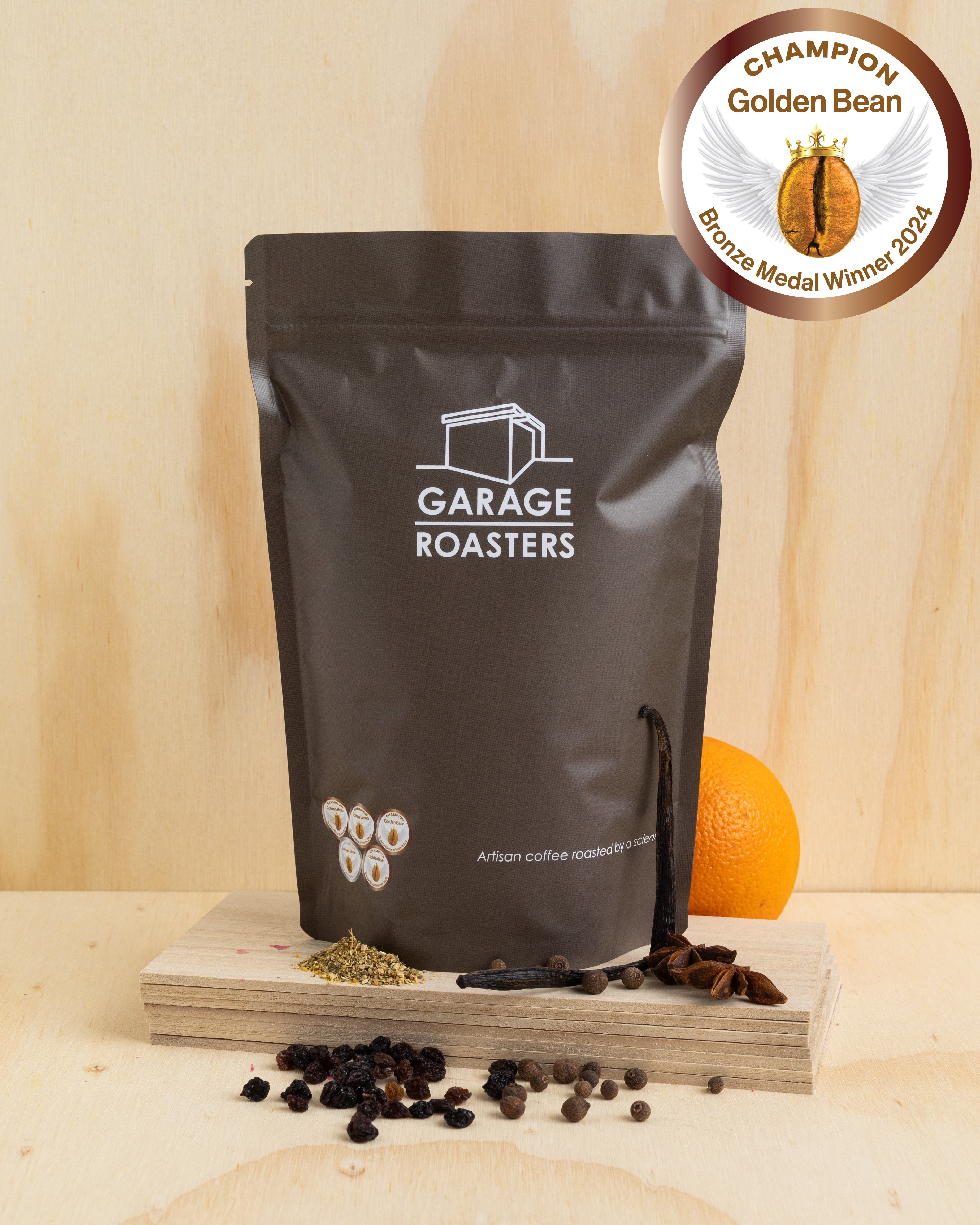
- The Croydon Blend costs $18.00 and took bronze at the 2024 GoldenBean Australasia awards.
Table of Contents
- What Makes the Best Coffee in Sydney Worth Seeking Out
- How We Chose: Selection Criteria for This Guide
- The Cafés and Roasteries Defining Sydney's Coffee Scene
- Sydney Coffee Roasters: What Sets the Best Apart
- Best Coffee Beans for Espresso at Home
- Single Origin Coffee Beans: When to Choose Them
- Buying Coffee Beans Online in Australia: What to Check
- Matching Your Beans to Your Brew Method
- Frequently Asked Questions
What Makes the Best Coffee in Sydney Worth Seeking Out
Sydney's coffee reputation is not marketing spin. In 2026, four local cafés landed on the World's 100 Best Coffee Shops list, with one Chippendale roastery holding a top-five global spot for the second year running, according to BeanScene's coverage of the 2026 world rankings.
The best coffee in Sydney comes down to three things: fresh beans, a roaster who understands extraction, and a barista who can repeat the result. Everything else is decoration.
Industry data backs the scale of the scene. IBISWorld's 2026 coffee shop industry analysis counts 14,602 coffee-shop businesses across the country, growing at 5.1% a year between 2021 and 2026. That competition forces standards up.
Below, we break down the venues worth your time, the roasters behind them, and how to bring that quality home.
How We Chose: Selection Criteria for This Guide
We judged every venue and roaster on four equally weighted criteria: bean provenance and freshness (who roasted it, when, and whether the roast date is printed); extraction consistency across visits; menu depth beyond milk drinks, including filter, batch brew and single origin; and practical access, hours, seating, and whether you can buy beans to take home.
Freshness is what most guides miss. A café serving beans roasted three weeks ago is not in the same league as one roasting weekly, no matter how good the fit-out looks.
How the List Was Built
This guide is maintained rather than published once. Each listing was checked in November 2026 against the venue's own current information, and we separate two kinds of evidence. Firsthand visits are marked as such: venues where we have ordered, sat down, and checked the retail shelf.
The freshness check changes rankings most often. In practice, we look for a printed roast date on the retail bag, ask which beans are in the hopper that week, and compare the house espresso against a filter on the same visit where both are available. A venue that cannot tell you when its beans were roasted is flagged, even if the coffee tastes good on the day.
Comparing Venues at a Glance
Use the criteria below as a quick comparison framework when you are choosing between two venues. The point is not to rank cafés against each other on style, but to match the venue to your reason for visiting.
| What to compare | What to look for | Best use case |
|---|---|---|
| Price range | Espresso and milk drinks priced consistently with the area; retail bags priced per 250 g | Budget check before a long trip |
| Coffee style | House blend versus rotating single origin; filter available or espresso only | Choosing between a quick stop and a tasting visit |
| Seating | Counter stools versus tables; indoor and outdoor options | Deciding whether to stay or take away |
| Takeaway | Whether the full menu is available to go | Commute and walking routes |
| Accessibility | Step-free entry and accessible facilities where listed | Planning with mobility needs |
| Dietary needs | Alternative milks, decaf, tea and food options | Groups with mixed preferences |
A common pattern: the venues with the deepest coffee menus have the least seating, and the venues with the most seating have the narrowest coffee menus. Knowing which trade-off you want is more useful than a single ranked list.
What This Guide Does Not Do
We do not rank venues from one to ten, because a ranking implies a precision the evidence does not support. We do not include venues we could not check against a current source. And we do not treat an award as a substitute for a freshness check: a venue can win a global listing and still serve beans past their peak on the day you visit. Use the criteria above, confirm details before you travel, and treat the shortlist as a starting point rather than a verdict.
The Cafés and Roasteries Defining Sydney's Coffee Scene
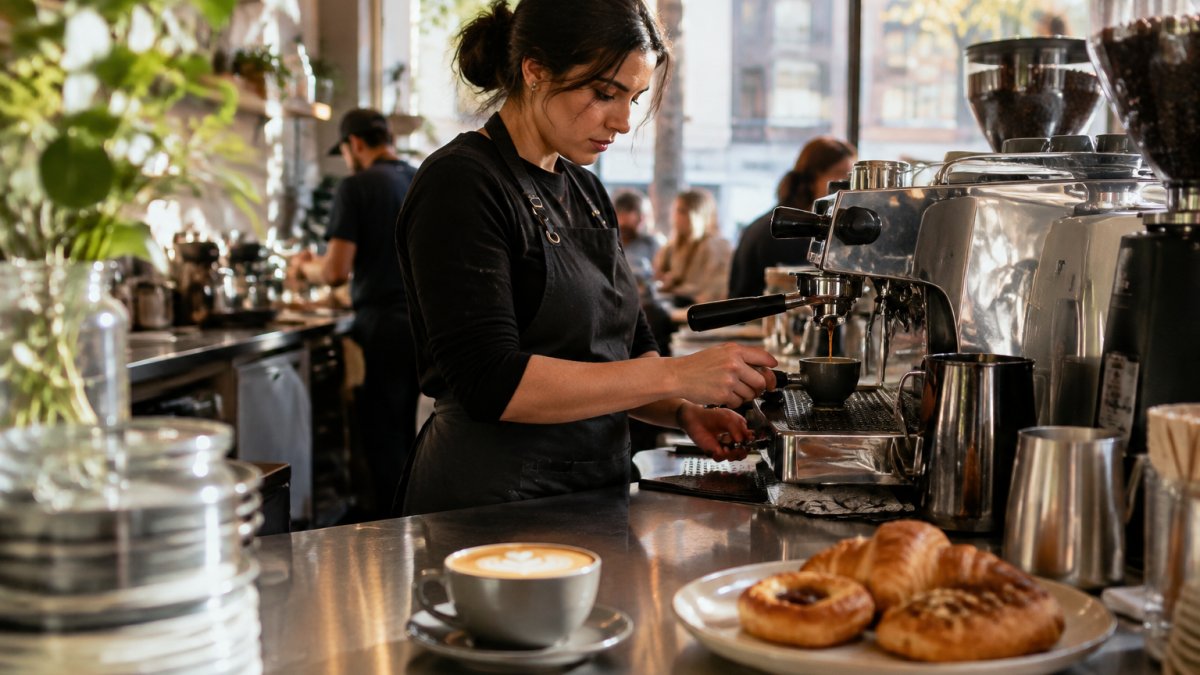
The venues shaping the scene split into two camps: flagship roasteries with global recognition, and neighbourhood cafés doing quieter, excellent work. Below we organise them by area so you can plan a route rather than a pilgrimage, and we note what each is actually best for. Every listing was checked in November 2026; hours and offerings change, so confirm before a long trip.
Flagship Venues and Award-Winning Roasteries
and roastery took the number one spot on the inaugural World's 100 Best Coffee Shops list in 2025, per Destination NSW's announcement, and held a global top-five place in 2026. Beta Coffee in Surry Hills and Single O also appeared on the 2026 list, as reported by Nomadic Foodie Reeth's roundup. These are the venues to visit if you want to taste what the judges tasted.
Neighbourhood Cafés Worth the Trip
The Urban List's Sydney specialty coffee guide points to Artificer Coffee, Primary Coffee Roasters and Paramount Coffee Project as consistent local favourites. These spots trade flagship glamour for tight menus and regulars who know the baristas by name. Go for the flat white, stay for the conversation.
A Wider Map: Central and Outer Suburbs
Best for: anyone building a shortlist of venues to visit this month, whether you have one morning or a full weekend. Skip if: you want a quiet table on a Sunday, because the good ones fill fast.
Sydney Coffee Roasters: What Sets the Best Apart
That consistency is the whole game. A roaster who changes profile every week gives you a moving target. One who refines a profile over thousands of roasts gives you a recipe you can dial into your machine once and trust.
Garage Roasters, a family-owned business established in 2015, takes a scientific, research-based approach to roasting. Our founder is a trained medical doctor, and our methodical process, refined over thousands of research roasts, is designed to eliminate the need for daily extraction adjustments.
Best Coffee Beans for Espresso at Home
The best coffee beans for espresso at home are freshly roasted, medium-roast beans with a printed roast date and a repeatable recipe. For a curated shortlist of options to order, see our best coffee beans for home espresso.
For most home setups, we recommend the Croydon Blend at $18.00.
If you want a brighter, fruit-forward option, the Ethiopian Single Origin Espresso at $19.00 delivers cocoa, candy citrus, limoncello and apricots from a natural Guji Alaka lot.
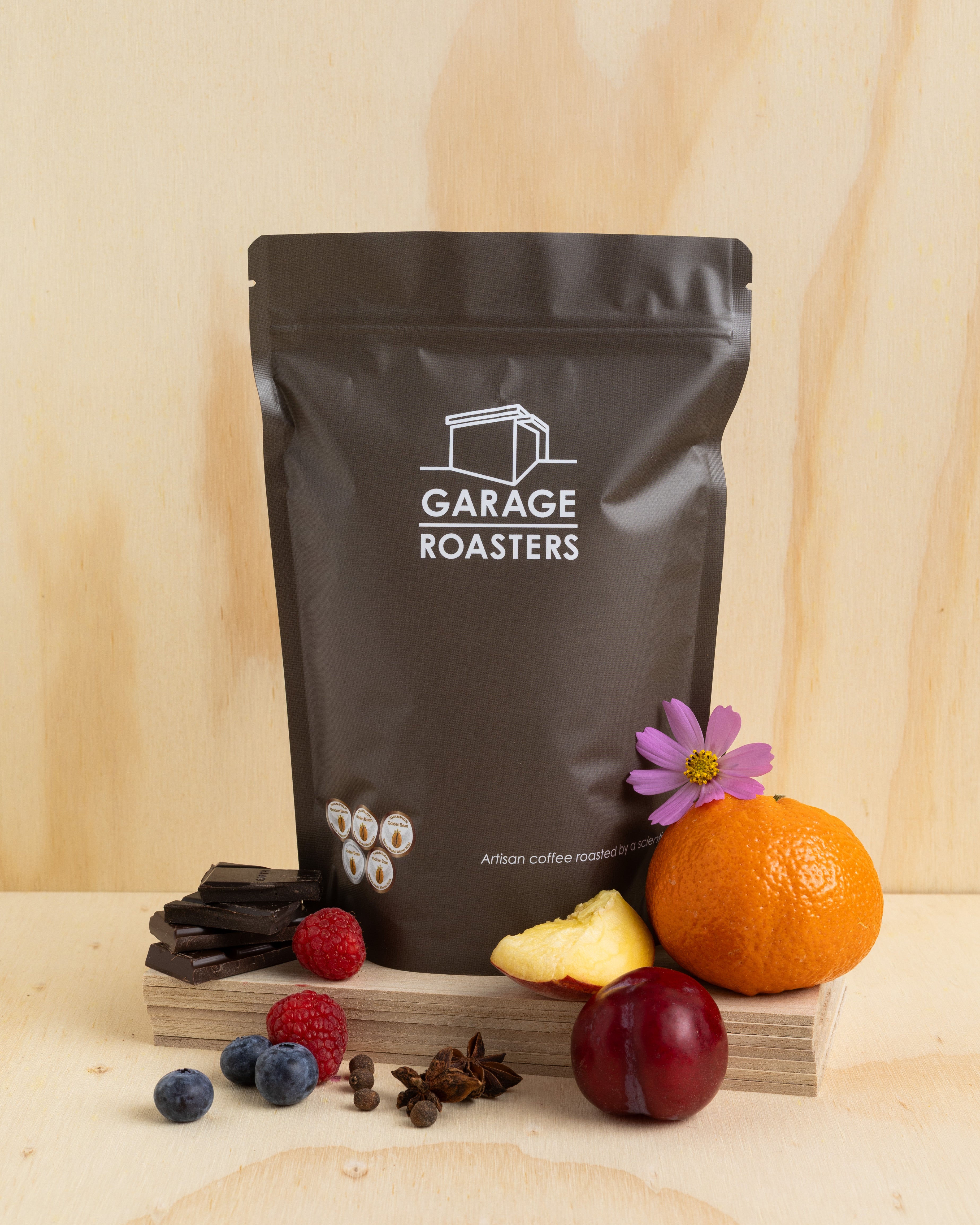
Once you have beans, our complete guide to brewing specialty coffee at home covers grind, water and technique in detail.
Single Origin Coffee Beans: When to Choose Them
Single origin coffee beans come from one farm, region or cooperative, and you choose them when you want to taste a specific place rather than a balanced blend. They suit drinkers who take espresso black or with a splash of milk, and who enjoy a flavour that shifts as the bag ages.
The trade-off is honesty. A single origin shows every flaw in your technique, so it rewards a stable recipe. Our Ethiopian single origin works as a starting point because the natural processing gives it enough sweetness to stay forgiving.
Watch out: single origins change with each harvest. If you loved last season's lot, expect the next one to taste different. That is the point, not a fault.
Buying Coffee Beans Online in Australia: What to Check
Check three things before you order beans online: the roast date, the shipping time, and whether the beans arrive whole or ground. A roast date printed on the bag is the only reliable freshness signal. If a listing hides it, walk away.
Shipping time matters more than most buyers realise. Beans are at their best roughly one to five weeks after roasting for espresso, so transit time matters.
Our comparison of pre-ground versus freshly ground coffee explains why whole beans plus a grinder beats convenience every time.
Watch out: "best before" dates are not roast dates. A bag can carry a long best-before and still be months past its peak.
Matching Your Beans to Your Brew Method
Match the bean to the brew method and the rest gets easier. Espresso wants a medium roast with enough body to cut through milk. Filter and pour-over want a lighter roast that lets acidity and fruit show.
Our espresso roasts are built for the first job, with recipes listed on each product page. For filter, the Pour Over at $19.00 is a washed Kenyan Kiriaini AA roasted light, with notes of white currants and mandarin and a recipe of 15 g coffee to 240 g water at 92C.
| Brew Method | Roast Level | Best Garage Roasters Pick | Price |
|---|---|---|---|
| Espresso with milk | Medium | Croydon Blend | $18.00 |
| Espresso, black | Medium | Out of Africa Blend | $23.00 |
| Pour-over / filter | Light | Pour Over (Kiriaini AA) | $19.00 |
| Aeropress | Medium | Ashfield Espresso Blend | $16.00 |
Price
The pattern is simple: darker and fuller for milk, lighter and brighter for filter. Get that right and your grind adjustments shrink to fine-tuning.
Sydney's coffee scene rewards the curious, but the gap between a great café and a great home brew comes down to bean freshness and a repeatable recipe.
Frequently Asked Questions
Where can you find the best coffee in Sydney?
The strongest cups tend to come from venues that roast their own beans or work closely with a single roaster. Flagship cafés and roasteries in suburbs such as Chippendale and Surry Hills sit at the top of international rankings, while neighbourhood cafés across the inner city and suburbs serve consistently good espresso and filter. Look for a published roast date, a clear menu of brew methods, and a barista who can tell you the flavour notes before you order.
What should you look for when choosing coffee beans for espresso at home?
Start with the roast date, not the best-before date. Beans are at their best roughly one to five weeks after roasting for espresso. Check the roast level, since medium roasts suit milk-based drinks and darker roasts can taste bitter in a home machine. Confirm the beans are roasted for espresso rather than filter, and look for a stated brew recipe such as a 20 g dose yielding 32 g. That gives you a repeatable starting point instead of guesswork.
What is the difference between specialty coffee and regular coffee?
Specialty coffee is graded for quality and traced back to a specific origin, farm or cooperative, while regular coffee is typically blended for consistency and cost. Specialty beans are usually roasted lighter to preserve origin character, with flavour notes such as cocoa, citrus or stone fruit stated on the bag. The trade-off is that specialty coffee costs more and rewards careful brewing. A supermarket blend is more forgiving but gives you far less to taste.
Which coffee roasters sell beans online in Australia?
Many small roasters now ship direct, and the practical differences come down to roast date, dispatch speed and whether the roaster publishes brew recipes. Order from a roaster that prints the roasted-on date and ships within days of roasting. Check whether the beans are suited to your equipment, since a medium espresso blend behaves differently from a light filter roast. Buying direct also means you can ask about the current single origin before you commit to a bag.
Which coffee is best for espresso at home?
A medium-roast blend built for espresso is the safest starting point, especially if you drink milk-based coffees. Blends combining Brazilian, Ethiopian and Indonesian beans give you nutty, caramel sweetness with enough body to cut through milk. If you prefer black espresso, a single origin such as a natural Ethiopian brings cocoa, citrus and apricot notes. Either way, use a scale, keep the dose consistent and adjust grind size rather than changing beans every week.
