
Last Updated: November 13, 2026
Quick Summary
To brew specialty coffee at home, control four variables: grind size, coffee-to-water ratio, water temperature and freshness. Start at a 1:16 ratio with water between 90 °C and 96 °C, and spend your budget on a burr grinder first, since the grinder matters more than the brewer.
- Specialty coffee scores 80 points or above on the Specialty Coffee Association's 100-point scale.
- A 1:16 ratio means 15 g of coffee to 240 g of water for most single-cup brewers.
- Pour-over uses a medium-fine grind and a total brew time near 3:15.
- Change grind size, not dose, when your cup tastes too sour or too bitter.
- Buy whole beans and brew within one to six weeks post roast date.
Table of Contents
- What You Need to Brew Specialty Coffee at Home
- The Best Coffee Brewing Methods and How They Compare
- Nailing Your Coffee-to-Water Ratio and Water Temperature
- A Coffee Grind Size Chart for Every Brew Method
- How to Make Pour-Over Coffee Step by Step
- A Repeatable Dialing-In Workflow and Troubleshooting Guide
- Water Quality, Bean Freshness and Storage
- Building Your Home Brewing Setup at Garage Roasters
- Frequently Asked Questions
What You Need to Brew Specialty Coffee at Home
Specialty coffee is coffee that scores 80 points or above on the Specialty Coffee Association's 100-point scale, and brewing it well at home comes down to four variables you can control: grind size, coffee-to-water ratio, water temperature and freshness. Get those right and a modest setup can produce an excellent cup.
The Specialty Coffee Association's 2026 National Coffee Data Trends report found that 76% of past-day specialty-coffee drinkers had their brew hot, while 60% also reported choosing cold coffee. Most of that drinking happens at home: according to the National Coffee Association, 83% of past-day coffee drinkers had coffee at home.
Below, we'll show you how to brew specialty coffee at home, method by method, with the ratios and troubleshooting steps that separate a flat cup from a vivid one.
The Equipment That Actually Changes Your Cup
The grinder matters more than the brewer. A burr grinder produces a consistent particle size, and consistent particles extract at the same rate. Blade grinders shatter beans into dust and boulders, so you get sour and bitter in the same mouthful.
Three pieces of gear earn their bench space:
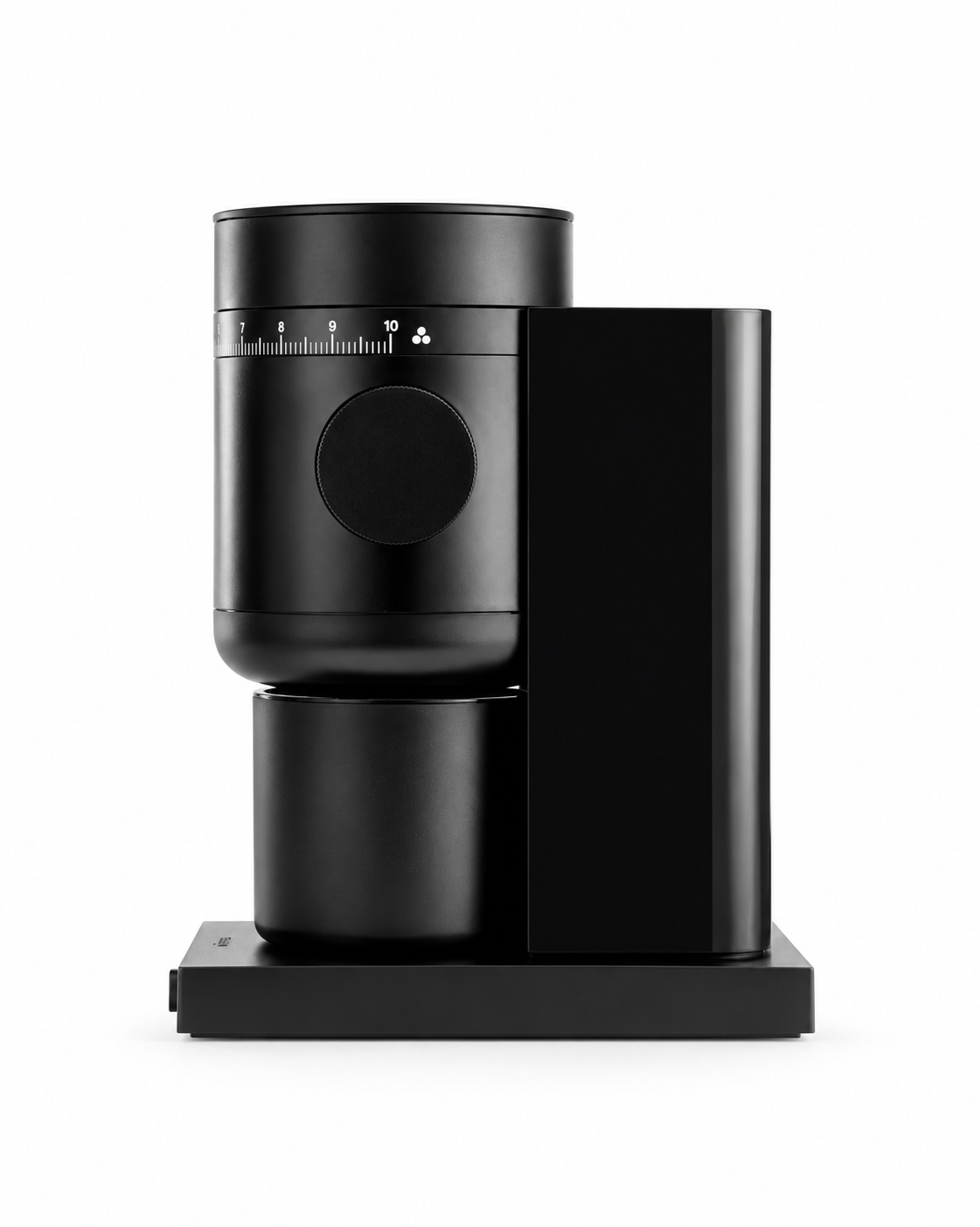
- Burr grinder, flat or conical burrs, stepless adjustment preferred. Our Fellow Opus 2 Conical Burr Grinder runs 48 mm conical burrs with a stepless adjustment dial and is designed for espresso, pour-over, cold brew and other methods.
- Digital scale, accurate to 0.1 g. You cannot repeat a recipe you cannot measure.
- Gooseneck kettle, controls flow rate for pour-over. Temperature control is a bonus, not a requirement.
Everything else, the dripper, the carafe, the filters, costs very little. Spend your budget on the grinder first.
The Best Coffee Brewing Methods and How They Compare
The best coffee brewing methods for home use fall into three families, and the family determines the texture and clarity in your cup. Immersion gives body, percolation gives clarity, and pressure gives intensity.
Immersion, Percolation and Pressure: What Separates Them
Immersion brewing steeps coffee grounds in water, so the grounds stay in contact with the liquid for the full brew time. French press is the classic example.
Percolation passes water through a bed of grounds once. Pour-over and drip machines work this way.
Pressure forces water through a compacted puck. Espresso and Moka pot sit here. The result is concentrated and syrupy, and the margin for error is narrow.
| Method | Family | Grind | Brew Time | Best For | Gear Cost |
|---|---|---|---|---|---|
| Pour-over | Percolation | Medium-fine | 3-4 min | Clarity and origin character | From $19 |
| French press | Immersion | Coarse | 4 min | Body and richness | $30-60 |
| AeroPress | Immersion + pressure | Medium-fine | 2 min | Speed and travel | $50-70 |
| Drip machine | Percolation | Medium | 5-8 min | Volume and convenience | $80-400 |
| Moka pot | Pressure | Fine | 4-5 min | Intensity without an espresso machine | $40-80 |
| Cold brew | Immersion | Coarse | 12-18 hrs | Low-acid summer drinking | $30-50 |
Nailing Your Coffee-to-Water Ratio and Water Temperature
Start at a 1:16 coffee-to-water ratio: one gram of coffee to 16 grams of water.
Water temperature should sit between 90 °C and 96 °C. Lighter roasts need the higher end to extract properly; darker roasts tip into bitterness above 94 °C.
One published recipe from FLTR Magazine uses 18 g of coffee, 288 g of water at 93 °C and a three-minute brew. Treat it as a baseline to test, not a rule.
Two adjustments cover most problems:
- Too weak? Tighten the ratio to 1:15 before you change anything else.
- Too sour or too bitter? Change grind size, not dose. Ratio sets strength; grind sets extraction.
A Coffee Grind Size Chart for Every Brew Method
Grind size is the single biggest lever you have, and the chart below maps each method to its range. If your cup tastes wrong and the ratio is correct, the grind is the next thing to move.
| Brew Method | Grind Size | Texture Reference | Adjustment if Slow |
|---|---|---|---|
| Cold brew | Coarse | Sea salt | Grind coarser |
| French press | Coarse | Raw sugar | Grind coarser |
| Drip machine | Medium | Table salt | Grind coarser |
| Pour-over | Medium-fine | Fine sand | Grind coarser |
| AeroPress | Medium-fine | Fine sand | Grind coarser |
| Moka pot | Fine | Powdered sugar | Lower heat |
| Espresso | Fine | Flour | Grind coarser |
Two rules keep this chart useful. First, change one variable at a time. Second, if a brew drains far slower or faster than the target time, adjust grind before anything else. For a deeper look at how burr geometry shapes the result, read our guide to grinder burrs and their effect on pour over coffee.
How to Make Pour-Over Coffee Step by Step
Pour-over coffee is a percolation brew where you control the pour, and it rewards attention more than any other method.
- Heat water to 92 °C and rinse the paper filter with hot water. This removes paper taste and preheats the dripper.
- Weigh 15 g of coffee and grind medium-fine, roughly fine sand.
- Add the grounds to the dripper and place the whole setup on your scale. Tare to zero.
- Bloom with 45 g of water, just enough to saturate the bed. Wait 30 seconds while trapped gas escapes.
- Pour in slow circles to 240 g total, keeping the water level steady and the bed flat.
- Let it drain until the bed is flat and the drips slow. Total brew time should land near 3:15.
That recipe matches the one we publish for our Pour Over roast, and it is the same structure you can scale to any dose.
A Repeatable Dialing-In Workflow and Troubleshooting Guide
A repeatable workflow beats intuition, and it takes four brews to land on a recipe you can trust. Fix the dose, fix the water weight, fix the temperature, then move grind one step at a time until the cup tastes balanced. Write down every change.
Fixing Under-Extraction and Over-Extraction
Under-extraction tastes sour, thin and salty, and it happens when water moves through the bed too fast or the grind is too coarse. Over-extraction tastes bitter, dry and hollow, and it comes from too fine a grind, too hot water or too long a contact time.
| Symptom | Likely Cause | Fix | Impact |
|---|---|---|---|
| Sour, thin, salty | Grind too coarse | Grind finer | Sweeter, fuller cup |
| Bitter, dry, ashy | Grind too fine | Grind coarser | Cleaner finish |
| Weak but bitter | Ratio too loose, over-extracted | Tighten ratio, grind coarser | More strength, less harshness |
| Strong but sour | Ratio too tight, under-extracted | Loosen ratio, grind finer | Balance and clarity |
| Uneven, muddy bed | Poor pouring technique | Slow circular pours | Even extraction |
If your cup is sour and the grind adjustment has not fixed it, our guide on how to fix sour specialty coffee without guessing walks through the next variables in order.
Water Quality, Bean Freshness and Storage
Water makes up most of your cup, so start with filtered water. Hard water can scale kettles and mute flavour, and a simple carbon filter is a practical choice for most kitchens.
Freshness matters just as much, and it runs on a clock from the roast date, not the purchase date. Our coffee's optimal drinking window is one to six weeks post roast date, and ground coffee stales within days. Buy whole beans, store them in an airtight container away from light and heat, and grind immediately before brewing.
Degassing, Roast Date and Choosing Beans for Your Method
Coffee releases carbon dioxide for days after roasting, a process called degassing. Brew too soon and the gas pushes water away from the grounds, so the bed blooms unevenly and extraction runs patchy.
Roast level should follow your method as much as your taste:
- Light roasts suit pour-over and other percolation methods, where clarity and acidity are the point. They need the higher end of the water-temperature range to extract fully.
- Medium roasts are the most forgiving across French press, AeroPress and drip machines, and they hold up well to milk.
- Dark roasts work in immersion and pressure methods, where body and intensity are wanted, but they tip into bitterness quickly above 94 °C.
Watch out: supermarket beans with no roast date are a lottery.
Storage is the last link in that chain. Keep beans whole, in an airtight container, away from light and heat, and buy in quantities you will finish within the freshness window rather than stockpiling.
Building Your Home Brewing Setup at Garage Roasters
Our approach at Garage Roasters starts with the bean, because no technique rescues stale coffee.
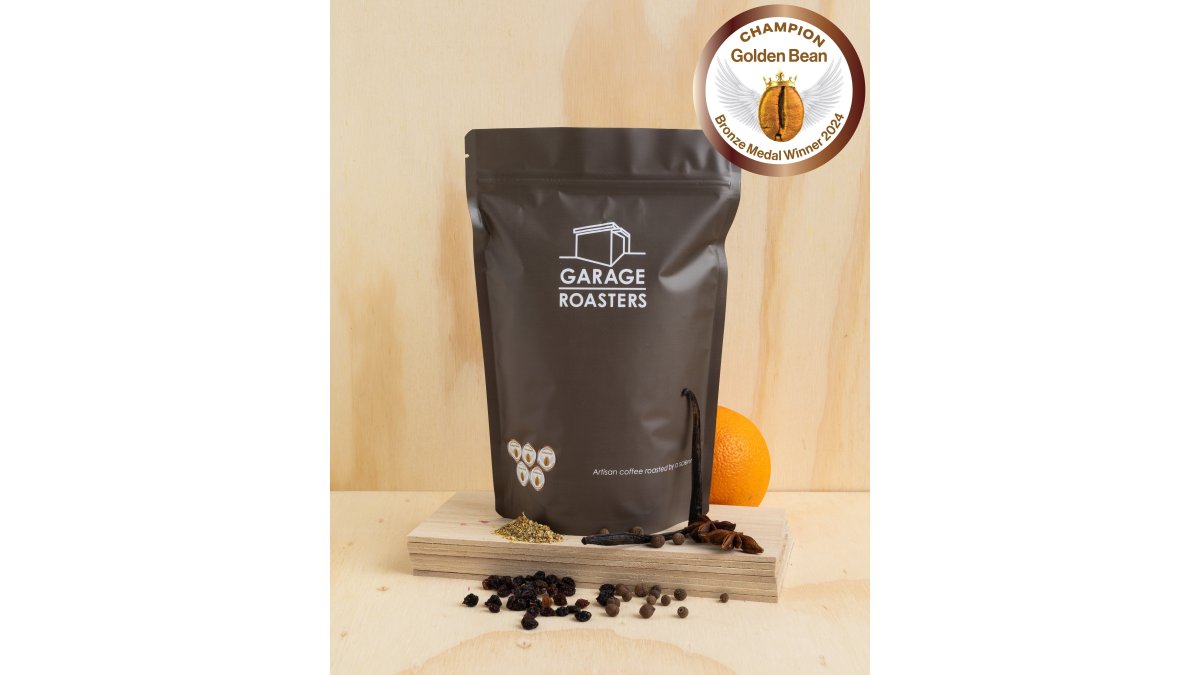
Start with a bean roasted for your method. Our Specialty Roasts range covers top-grade African and Colombian single origins, and our packaging is fully compostable.
The gap between an average home cup and a genuinely excellent one is rarely the equipment. It is a scale, a consistent grind and the discipline to change one variable at a time.
Frequently Asked Questions
What do you need to brew specialty coffee at home?
At minimum you need fresh whole beans, a burr grinder, a digital scale, a kettle and a brewer. A gooseneck kettle helps with pour-over control, and filtered water makes a noticeable difference. The Specialty Coffee Association reports 83% of past-day coffee drinkers had coffee at home, so most of the gear you need is already in the kitchen. Start with one brewer and a scale, then add equipment as you learn what you actually taste.
How much coffee should I use per cup?
Start at a coffee-to-water ratio of 1:15 to 1:17, meaning one gram of coffee to 15 to 17 grams of water. A 1:16 ratio is a practical starting point, so 18 g of coffee to 288 g of water. Weigh both on a digital scale rather than using scoops, because bean density and grind size change the volume. Adjust the ratio to taste: a tighter ratio builds body, a looser one lifts clarity.
What water temperature is best for brewing coffee?
Around 92 to 93 °C suits most specialty coffee, Water that is too hot pulls bitter compounds; water that is too cool under-extracts and tastes sour or hollow. If your kettle has no temperature control, boil and rest it for about 30 seconds before pouring. Filtered water also matters, since heavy mineral content flattens flavour.
How fine should I grind coffee for different brewing methods?
Use a coarse grind for French press and cold brew, medium for drip and pour-over, and fine for AeroPress and Moka pot. Espresso sits at the fine end of the scale. A burr grinder gives you consistent particle size, which is what makes a grind size chart useful in practice. Grind immediately before brewing, because freshly ground coffee loses aroma fast.
How do you make pour-over coffee at home?
Use 15 g of coffee to 240 g of water at 92 °C. Rinse the filter, add the grounds, then bloom for 30 seconds with a small pour. Follow with slow circular pours and finish at around 3:15 total brew time. Garage Roasters' Pour Over and Costa Rica Volcan Azul Geisha Pour Over are both roasted for pour over and list this recipe on their product pages.
How can I make my home-brewed coffee taste better?
Change one variable at a time. Grind finer if the cup tastes sour or thin, coarser if it tastes bitter or drying. Check your water, keep beans sealed and away from light, and buy within the 1 to 6 week post-roast window our coffee is best enjoyed in. A scale and a burr grinder remove more inconsistency than any other purchase, and they make every later adjustment repeatable.
How should you store specialty coffee beans?
Keep whole beans in an airtight container away from light, heat and moisture, and grind just before brewing. Most specialty coffee drinks best between 1 and 6 weeks post roast, so buy in quantities you will finish in that window rather than stockpiling. Most cups depend on how well the beans were kept.
