
Table of Contents
- What Makes Premium Colombian Coffee Beans Worth Buying Online
- Colombian Single-Origin Coffee: Why Origin and Region Shape Flavour
- Quick Comparison: Three Colombian Coffees to Try
- Colombia Campo Hermoso Pink Bourbon Natural Rose Mossto
- Cherry Madness Colombia Campo Hermoso
- Exotic Espresso: Colombia Hacienda La Esperanza
- Colombian Supremo Coffee Beans and What the Grade Tells You
- Colombian Coffee Roast Levels: Medium, Dark, and What Suits Your Setup
- The Bottom Line on Buying Colombian Coffee Online
- Frequently Asked Questions
Last Updated: October 14, 2026
What Makes Premium Colombian Coffee Beans Worth Buying Online
Colombia produces some of the most sought-after coffee in the world, and the difference between commodity beans and premium Colombian coffee beans online comes down to three things: altitude, processing, and freshness. According to the Specialty Coffee Association's research on green coffee quality, beans grown above 1,600 metres develop denser structure and more complex sugars, which is why Colombian mountain-grown lots command higher prices than flatland alternatives.
At Garage Roasters, we've spent years roasting Colombian single origins and refining our method over thousands of research roasts. The result is consistent flavour without the daily dialling-in most home baristas accept as normal.
Here's what most buying guides get wrong: they treat origin as a marketing label. It isn't. A Caturra varietal from Quindío at 1,700 metres tastes nothing like a Pink Bourbon from the same country. The region, the farmer, and the fermentation method decide what ends up in your cup.

Colombian Single-Origin Coffee: Why Origin and Region Shape Flavour
Colombian single-origin coffee is coffee sourced from one country, one region, and often one farm, with nothing blended in to mask defects. That traceability is the entire point.
Colombia's coffee belt runs through the Andes, with three main growing corridors: the northern Sierra Nevada near Santa Marta, the central region around Quindío and Circasia, and the southern highlands near Popayán.
The fermentation method matters just as much as geography. Natural processing dries cherries whole, pushing fruit-forward notes like cherry, red berries, and raisin into the cup.
What most guides miss is that two coffees from the same farm can taste completely different if the producer changes fermentation time or temperature.
Quick Comparison: Three Colombian Coffees to Try
| Coffee | Price | Roast Level | Tasting Notes | Best For |
|---|---|---|---|---|
| Campo Hermoso Pink Bourbon Natural Rose Mossto | $35.00 | Medium | Ripe cherries, rosewater, watermelon | Adventurous espresso drinkers |
| Cherry Madness Colombia Campo Hermoso | $35.00 | Medium | Strawberry, red jelly, creamy | Milk-based drinks and filter |
| Exotic Espresso Hacienda La Esperanza | $27.00 | Medium | Red fruit, cocoa nibs, velvety | Everyday espresso |
All three ship as whole beans with a roast date on the bag.

Colombia Campo Hermoso Pink Bourbon Natural Rose Mossto
The most memorable coffee we've tasted this year, and the one we'd hand to anyone who thinks they know what Colombian coffee tastes like.
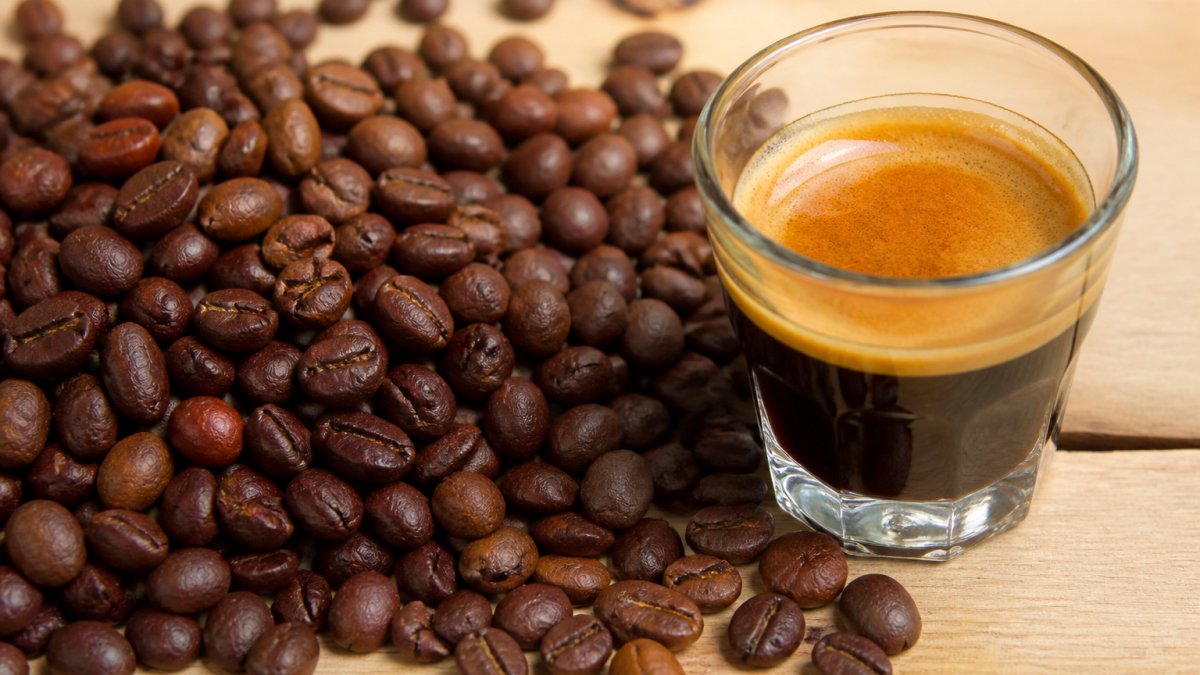
This limited-edition lot comes from Campo Hermoso in Colombia, a product of our ongoing relationship with Condesa.
The process is genuinely unusual. Cherries above 18° Brix are soaked, sorted, then fermented anaerobically for 24 hours at 18-20°C.
Tasting notes: ripe cherries, rosewater, florals, grape lolly, watermelon. Acidity sits medium-high, body medium. Works with milk, though we'd drink it black first.
Our espresso recipe: 20 g dose, 45 g yield, 92°C, 27-30 seconds. Best between one and five weeks post-roast.
Cherry Madness Colombia Campo Hermoso
Cherry Madness is the sweeter, jammier sibling to the Rose Mossto, and it's the one we'd recommend if you drink flat whites or long blacks.
Sourced from smallholder farms around Circasia in Quindío at 1,650-1,800 metres, this Caturra varietal goes through a natural process with a 120-hour carbonic maceration in 2,000 kg tanks.
Tasting notes: ripe cherries, floral, sugar, strawberry, syrupy, red jelly, yoghurt, creamy, bright jammy acidity, juicy. Medium-high acidity, medium body.
Our espresso recipe: 20 g dose, 45 g yield, 92°C, 27-30 seconds. Drink it between one and five weeks post-roast.
Exotic Espresso: Colombia Hacienda La Esperanza
Exotic Espresso is our rotating experimental lot, and the current Colombian release from Hacienda La Esperanza is the most approachable of the three at $27.00.

Exotic processing covers a range of fermentation and drying techniques: carbonic maceration, temperature manipulation to speed up or slow fermentation, thick-stack drying on raised beds, shade drying, and wrapping cherries to retain heat and moisture. Most lots use two or more.
This lot uses double carbonic maceration, lactic fermentation, yeast fermentation, and natural processing.
Tasting notes: velvety, red fruit, cocoa nibs. Medium acidity, medium body. Works well with milk.
Colombia Campo Hermoso Pink Bourbon Natural Rose Mossto Co-Fermented →
Our espresso recipe: 20 g dose, 35 g yield, 92°C, 27-30 seconds.
Colombian Supremo Coffee Beans and What the Grade Tells You
Colombian Supremo coffee beans are the largest screen-size beans Colombia exports, graded by size rather than quality or flavour. Supremo beans pass through a screen with approximately 6.7 millimetres (17/64-inch) holes, while the next grade down, Excelso, passes through slightly smaller screens. In practice, most Colombian lots are sorted into these two buckets, and a single farm can produce both on the same day.
Here's the part most buyers don't realise: Supremo tells you nothing about how the coffee tastes. A large bean from a low-altitude farm can grade Supremo and still taste flat. Screen size correlates loosely with altitude and density, but it's a sorting tool, not a quality guarantee.
What actually predicts quality:
- Altitude: higher-grown beans ripen slower and develop more sugar
- Varietal: Pink Bourbon, Caturra, and Castillo all behave differently in the cup
- Process: natural, washed, and co-fermented lots taste nothing alike
- Roast date: the single biggest factor in what reaches your cup
Decoding the other labels on a Colombian bag
Supremo is only one of several terms you'll see. Here's what the rest actually mean, and where each one stops being useful:
- Excelso: the grade below Supremo, screened at approximately 5.6 to 6.3 millimetres (15/64 to 16/64 inches). Often sold as a blend base. A well-processed Excelso from a high-altitude farm can outperform a tired Supremo.
- Single origin: coffee from one country, and ideally one region or farm. The term is not regulated in the same way as a protected food name, so a bag can say "single origin" and still blend multiple farms within a region. Look for a named farm or cooperative if traceability matters to you.
- Organic: certified against an accredited standard, which typically restricts synthetic inputs and requires separation from non-organic lots through the supply chain. It says nothing about flavour or freshness.
- Fairtrade: a certification focused on producer terms, minimum pricing, and a social premium paid to cooperatives. It is a sourcing claim, not a quality claim.
- Specialty grade: usually means the lot scored 80 points or above on a recognised cupping scale. This is a more useful quality signal than Supremo, but it depends on who did the scoring and when.
- Roast date: the only label that tells you how fresh the coffee is. A best-before stamp is not a substitute.
Use Supremo as a starting filter, not a verdict. Then read the tasting notes, the process details, and the roast date. If a bag lists a farm name, an altitude, a varietal, and a process, the roaster is telling you they know where the coffee came from. If it lists only "Colombia" and a best-before date, they're telling you something too.
Colombian Coffee Roast Levels: Medium, Dark, and What Suits Your Setup
All three coffees above are medium roast, roasted for espresso. That's deliberate. Medium roast preserves the fruit and floral notes that make Colombian single origins worth buying, while developing enough body to extract well under pressure.
Dark roast pushes those origin notes into the background and replaces them with smoke and bittersweet chocolate. If you drink your coffee with a lot of milk or sugar, that's fine. If you're paying for a co-fermented Pink Bourbon, dark roasting would waste it.
Matching roast level to your brew method
Most buying guides stop at "medium for filter, dark for espresso." That advice is too blunt. What matters is how the roast behaves under your specific brew method, and how you adjust grind and ratio to compensate.
- Pour-over (V60, Chemex, Kalita): medium roast, medium-fine grind, 1:15 to 1:16 ratio, 92-94°C water. The fruit-forward Colombian lots above shine here if you keep the brew time under three minutes. If the cup tastes hollow, grind finer before you change the ratio.
- Aeropress: medium roast, medium grind, 1:13 to 1:15 ratio, 85-92°C. Short steep (60-90 seconds) keeps the florals; longer steep pushes toward cocoa and body.
- Batch brew / drip: medium roast, medium grind, 1:16 to 1:17 ratio. The Cherry Madness lot works well here despite our espresso-first recommendation, because the syrupy body survives a longer contact time.
- Espresso: medium roast, fine grind, 1:2 to 1:2.25 ratio (20 g in, 40-45 g out), 92°C, 27-30 seconds. This is the recipe we publish on every bag, and it's the starting point for all three Colombian coffees above.
- Milk-based drinks (flat white, latte): medium or medium-dark roast, fine grind. Cherry Madness and Exotic Espresso both cut through milk without turning bitter, because their base notes are cocoa and red fruit rather than citrus.
What changes as the coffee ages
A medium roast peaks somewhere between one and three weeks post-roast for filter, and one to five weeks for espresso. As the beans degas, you'll need to grind finer and possibly raise the dose slightly to keep the same shot time. If your espresso suddenly runs fast and tastes thin, the coffee is telling you it's older, not that your grinder is broken.
How should I store coffee beans?
Store coffee beans in an airtight container, away from light, heat, and moisture, and use them within four to six weeks of the roast date. Freezing works if you seal the bag properly and don't thaw and refreeze repeatedly. The Australian Institute of Food Science and Technology guidance on food storage confirms that oxygen, light, and heat are the three main drivers of staling in dry goods.
The Bottom Line on Buying Colombian Coffee Online
Buying premium Colombian coffee beans online comes down to reading the details most retailers hide: process, altitude, varietal, and roast date.
At Garage Roasters, we're a family-owned business established in 2015, and every lot is roasted by a scientist using a method refined over thousands of research roasts.
If you want to see what a properly documented Colombian lot tastes like, start with our Colombia Campo Hermoso Pink Bourbon Natural Rose Mossto or the Exotic Espresso Colombia Hacienda La Esperanza. Both ship fresh, with the roast date on the bag.
Frequently Asked Questions
Is Colombian coffee considered the best?
Colombian coffee earns its reputation from a combination of altitude, volcanic soil, and hand-picking. Most Colombian beans are 100% Arabica, grown between 1,200 and 1,800 metres, which slows cherry development and concentrates sugars. That said, 'best' depends on your taste. Colombian beans tend to deliver smooth, mellow cups with caramelised sugar, cocoa, and red berry notes. Coffees from other origins offer different profiles, so try a few and decide what suits your palate.
What should I look for when buying premium Colombian coffee beans online?
Check four things: the roast date (not just a best-before date), the region and farm name, the roast level, and the processing method. A bag listing a specific farm like Campo Hermoso or Hacienda La Esperanza tells you more than a generic 'Colombia' label. Look for whole beans over ground coffee if you grind at home, and confirm the bag size and total delivered cost before checkout. Freshness matters most, so buy from roasters who stamp the roast date clearly.
Which roast is best for Colombian coffee beans?
Medium roast suits most Colombian beans because it preserves the origin's fruit and caramel sweetness while developing enough body for espresso. Dark roast works if you prefer heavier, more bittersweet flavours or drink with milk. If you brew filter coffee, a medium roast keeps the acidity bright and the tasting notes distinct. Match the roast to your brewing method rather than assuming one is superior.
Are Colombian single-origin beans suitable for espresso?
Yes. Many Colombian single origins are roasted specifically for espresso, with brew recipes that guide your dose, yield, temperature, and extraction time. For example, a 20 g dose yielding 45 g at 92C over 27 to 30 seconds is a common starting point. Colombian beans' medium body and medium-high acidity create a balanced shot with sweetness and fruit. They also work well with milk, so flat whites and lattes retain flavour.
How should I store Colombian coffee beans to keep them fresh?
Keep beans in an airtight container away from light, heat, and moisture. If you buy larger bags, freeze a portion in a sealed bag and defrost fully before grinding. Always grind just before brewing.
Consistency is the hardest thing to find in specialty coffee, and it's the first thing most roasters sacrifice when they scale. If you're tired of adjusting your grinder every morning just to chase the same shot, that's the problem we built our roasting process to solve. Order fresh-roasted Colombian beans from Garage Roasters and get a repeatable cup from the first shot to the last.