
Last Updated: November 15, 2026
Quick Summary
Neither Market Lane nor Five Senses is clearly better, because the available research does not establish superior value or overall preference for either. The right choice depends on your brewing method, bag size and taste, so compare coffee roasters on roast date, origin detail and cost per cup.
- Check the roast date on each bag, since a certified roaster can still ship beans that are weeks old.
- Convert every bag to cost per 100 g, then divide by doses to compare cost per cup fairly.
- A 250 g bag yields roughly 12 to 14 espresso doses, while a 1 kg bag yields roughly 50 to 55.
- Match the roast to your brewer: espresso suits balanced medium-to-dark roasts, while filter suits lighter ones.
- Buy the smallest bag from each roaster and taste them side by side on the same machine.
Table of Contents
- Market Lane vs Five Senses Coffee at a Glance
- Specialty Coffee Roasters Comparison: What Each Brand Offers
- Single-Origin Coffee Beans: Sourcing and Transparency
- Espresso Coffee Beans: Which Roaster Suits Your Machine
- Taste, Roast Profiles and Freshness Compared
- Price and Value: Comparing Costs in AUD
- How to Choose Coffee Beans for Your Brewing Method
- Booking a Taste Test Before Your Next Bag
- Frequently Asked Questions
Market Lane vs Five Senses Coffee at a Glance
Choosing between these two coffee roasters is less about which is "better" and more about which fits how you brew. For a direct head-to-head breakdown, see Market Lane vs Sample Coffee. Both sell specialty beans, but the research available to us does not establish that either one is better value or better liked overall. What it does show is that the decision turns on criteria you can test at home: sensory profile, sourcing detail, roast style, and price per cup.
A useful way to frame the comparison is by what each roaster puts its effort into.
Buyers with different priorities may suit one roaster over the other.
- If you want a small, focused range, consider whether fewer options suit your brewing routine.
- If you want a wider spread of profiles, consider whether more choice suits your experimentation.
- If certifications matter to you, treat them as signals about business practice, not bean quality.
Treat any claim of superiority with caution. Instead, compare on the things you can verify: roast date visibility, origin listing detail, brewing guidance on the bag, and cost per cup at the same bag weight. Those four checks will tell you more about fit than any brand story.
Watch out: brand reputation and certification logos are easy to over-weight. A roaster can be well certified and still ship beans that are three weeks past roast, so always check the roast date before you commit to a bag.
Specialty Coffee Roasters Comparison: What Each Brand Offers
Most specialty roasters look similar on a shelf, so the useful question is what each one puts its effort into.
Neither approach is wrong, but they suit different buyers. Some buyers may prefer a roaster that emphasises training, while others may prefer a different brand focus.
We would not pick a winner on brand story alone. Check the roast date, the origin listing and the brewing guidance on each bag before you commit.
Single-Origin Coffee Beans: Sourcing and Transparency
Single-origin coffee comes from one farm, cooperative or region, so the label should tell you where it grew. Sourcing transparency is what separates a roaster that names its origins from one that only uses the word "single origin" as marketing.
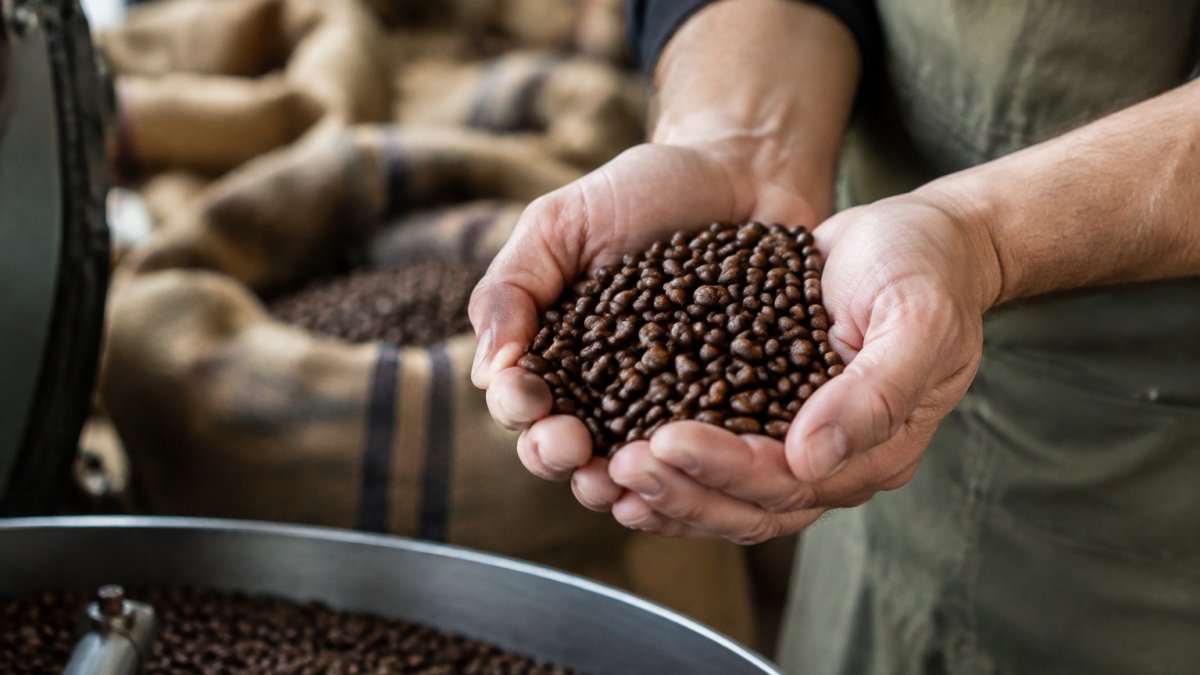
Ask each roaster for the farm or cooperative, the altitude, and the processing method. A roaster that can answer these quickly is usually easier to trust. Certifications such as B Corp status speak to business practice rather than bean quality, so read them as a separate signal.
Espresso Coffee Beans: Which Roaster Suits Your Machine
Espresso is the hardest test for a bean, because small changes in grind, dose and extraction show up fast. A bean designed for espresso is usually roasted to balance sweetness and body, rather than to show off bright acidity in a filter brew.
If you own a basic home machine, look for an espresso blend or a single origin labelled for espresso, and ask whether the roaster supplies dial-in guidance. Buyers who enjoy adjusting their machine every day may prefer a roaster that publishes a range of profiles. Buyers who want repeatable shots may prefer one with fewer, more stable options.
Taste, Roast Profiles and Freshness Compared
Taste is where personal preference matters most. A light roast tends to highlight origin character such as fruit or floral notes, while a medium roast usually gives more body and sweetness. The research we reviewed does not include a blind taste comparison of these two roasters, so any tasting claim you read should be tested against your own palate.
Freshness is the other variable. Coffee is best within a few weeks of roasting, so check for a roast date rather than a best-before date. Delivery speed and packaging also affect how fresh the beans arrive, so compare those details before ordering.
Price and Value: Comparing Costs in AUD
This section explains how to build a like-for-like AUD comparison yourself, because prices change with bag size, subscription terms and delivery.
Start by normalising to the same unit. A 250 g bag and a 1 kg bag are not comparable at face value, so convert everything to cost per 100 g and then to cost per cup:
- Note the bag weight in grams.
- Divide the bag price by the weight, then multiply by 100 to get cost per 100 g.
- Estimate doses per bag. A typical double espresso basket holds 18-20 g, so a 250 g bag yields roughly 12-14 doubles; a 1 kg bag yields roughly 50-55.
- Divide the bag price by the number of doses to get cost per cup.
The larger bag is usually cheaper per cup, but only if you finish it within a few weeks of the roast date.
Value is not the same as the lowest shelf price. Three factors move the real cost per cup more than the sticker price:
- Freshness window. Coffee is best within a few weeks of roasting. A cheaper bag that arrives near the end of that window costs more per enjoyable cup because you discard more of it.
- Subscription terms. Many roasters discount recurring orders but lock in a cadence. Check whether you can pause, skip or change bag size without penalty, and whether delivery is included in the AUD price shown.
- Delivery coverage and cost. Shipping costs can change the per-cup maths on small bags more than on large ones.
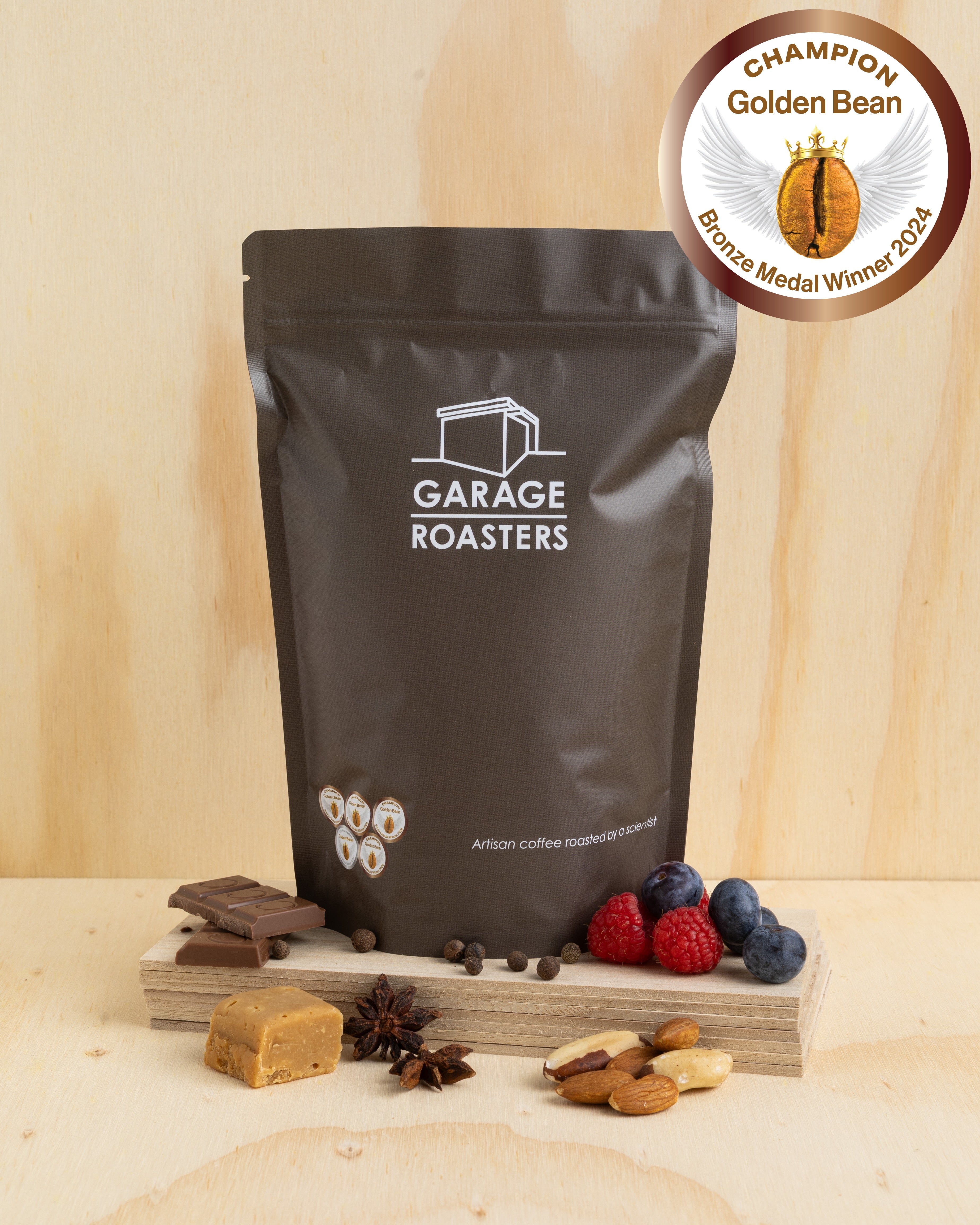
For our own range, pricing depends on quantity and delivery, so check the website for current prices. If you want to test an espresso blend before committing to a larger bag, you can view our Croydon Espresso Blend and compare its contents and price alongside other options.
Watch out: comparing a 1 kg bag from one roaster against a 250 g bag from another is the most common pricing error in coffee comparisons. Match the weight and roast style before you draw any conclusion about value.
The steps below convert any two bag prices into a like-for-like cost per cup.
| Step | What to do | Time or frequency |
|---|---|---|
| Note bag weight | Record the weight in grams | Once per bag |
| Cost per 100 g | Divide price by weight, then multiply by 100 | Once per bag |
| Estimate doses | 18-20 g per double; 250 g ≈ 12-14 doses, 1 kg ≈ 50-55 | Once per bag |
| Cost per cup | Divide bag price by number of doses | Once per bag |
| Check freshness | Finish the bag within a few weeks of roast date | Before each purchase |
How to Choose Coffee Beans for Your Brewing Method
Start with your brewer. Espresso often suits a dark-to-medium roast with balanced sweetness, while pour-over and filter brewing often show off lighter roasts with clear fruit or floral notes. Cold brew and French press suit fuller, chocolatey profiles.
Work through three questions: What do I brew most often? How much time do I want to spend adjusting my grind? How quickly will I finish a bag? Your answers narrow the field faster than any ranking.
Watch out: buying a large bag of a light roast for espresso can lead to sour shots and wasted beans. Match the roast to the brewer before you buy in bulk.
Booking a Taste Test Before Your Next Bag
The fastest way to decide between two roasters is to taste them side by side. Buy the smallest bag from each, brew them on the same machine with the same dose and grind, and note the differences in sweetness, body and finish.
If you want to compare styles first, browse our single-origin espresso and our full espresso roast range to see what suits your machine. For a guide to judging bean quality before you buy, read how to identify specialty grade coffee beans. Once you have a shortlist, a side-by-side taste is the most reliable way to decide.
Frequently Asked Questions
What is the difference between Market Lane and Five Senses Coffee?
Both are specialty coffee roasters, and they may differ in emphasis. Neither brand publishes independent comparative taste testing, so the best way to judge the difference is to compare their current single-origin and blend offerings against your own brewing method and taste preferences.
Which roaster is better for espresso, Market Lane or Five Senses?
Neither roaster's published information establishes that one is better for espresso. Choose based on the roast style you prefer: lighter roasts tend to show brighter, more acidic tasting notes, while medium roasts usually give more body and sweetness. Check each roaster's current product descriptions for roast level and recommended brew method, then buy a small bag to test in your own machine before committing to a larger order.
How should I choose between Market Lane and Five Senses coffee beans?
Start with your brewing method and the flavour profile you enjoy. Compare roast level, origin, and whether the coffee is sold as a single-origin or blend. Check roast dates and delivery options, since freshness affects flavour. Pricing varies by product, bag size and delivery, so confirm current prices on each roaster's website in AUD before deciding.
