
Last Updated: October 26, 2026
Quick Summary
To identify high quality coffee, look for specialty grade classification with a Q-score of 80 or higher, check the roast date to ensure beans are between 1 and 5 weeks old, and evaluate aroma, flavour notes, acidity, body, and aftertaste through sensory evaluation. Storage in an airtight container away from light and heat preserves these quality markers.
- Specialty grade coffee has a Q-score of 80 or higher according to the International Coffee Organization.
- Coffee is freshest between 1 and 5 weeks after roasting; check the roast date before buying.
- Use the cupping method: steep medium-fine grounds in 92°C water for four minutes, then evaluate systematically.
- Store whole beans in an airtight, opaque container; grind immediately before brewing.
- Under-extraction tastes sour and thin; over-extraction tastes bitter and harsh, adjust grind size to fix.
Table of Contents
- Understanding Specialty Grade Classification
- How to Choose Coffee Beans: The Foundation of Quality
- Signs of Fresh Coffee Beans
- Identifying High Quality Coffee Through Sensory Evaluation
- How to Taste Coffee Like a Professional
- Avoiding Common Pitfalls: What Doesn't Guarantee Quality
- Storage and Preservation: Protecting Quality After Purchase
- Selecting Your First Premium Single Origin
- Frequently Asked Questions
Understanding Specialty Grade Classification
Specialty grade coffee is defined by a Q-score of 80 or higher, according to the International Coffee Organization. This distinction separates the finest beans from commodity coffee.
At Garage Roasters, we've built our entire business around sourcing and roasting specialty grade beans. Green coffee moisture levels above 12.5% are typically rejected by buyers, according to the Centre for the Promotion of Imports, which shows how rigorous the standards are before roasting even begins.
Specialty coffee consumption rose from 53% in 2022 to 58% in 2026, reflecting a shift toward quality-conscious drinkers, premium coffee is becoming the baseline expectation.
How to Choose Coffee Beans: The Foundation of Quality
Choosing coffee beans starts before you taste them. Origin, altitude, and processing method determine the bean's flavour potential and are non-negotiable for consistency.
Origin and Altitude
Where coffee grows shapes its character. Ethiopian and Kenyan beans tend toward fruity, floral, tea-like profiles; Colombian coffees bring chocolate, caramel, and balanced acidity.
Altitude matters more than most home brewers realise. Higher-altitude farms produce denser beans with more concentrated flavours because the plant works harder in thinner air.
Processing Method and Bean Density
Three processing methods dominate specialty coffee: washed, natural, and honey.
Washed coffees have the fruit removed before drying, producing cleaner, brighter cups with pronounced acidity and consistent density. Natural process coffees dry with the fruit attached, creating fruity, wine-like notes and higher body.
Bean density affects extraction: denser beans need more water contact time to release their solubles, and lighter roasts preserve density better than dark roasts. That's why coffee bean processing matters when dialling in your grind.
Signs of Fresh Coffee Beans
Freshness is where most people fail to identify high quality coffee. A bag labelled "specialty grade" loses that distinction within weeks if stored poorly or left on a shelf.
Roast Date and the Optimal Drinking Window
The roast date, not the best-by date, is the most important information on a coffee bag. Coffee is freshest between 1 and 5 weeks after roasting, depending on roast level and grind size.
In the first days post-roast, CO₂ degassing can make espresso pull too fast and taste sour.
Check the roast date before you buy; if it's not printed clearly, ask the roaster. At Garage Roasters, we print it prominently.
Visual Inspection: Colour, Oiliness and Consistency
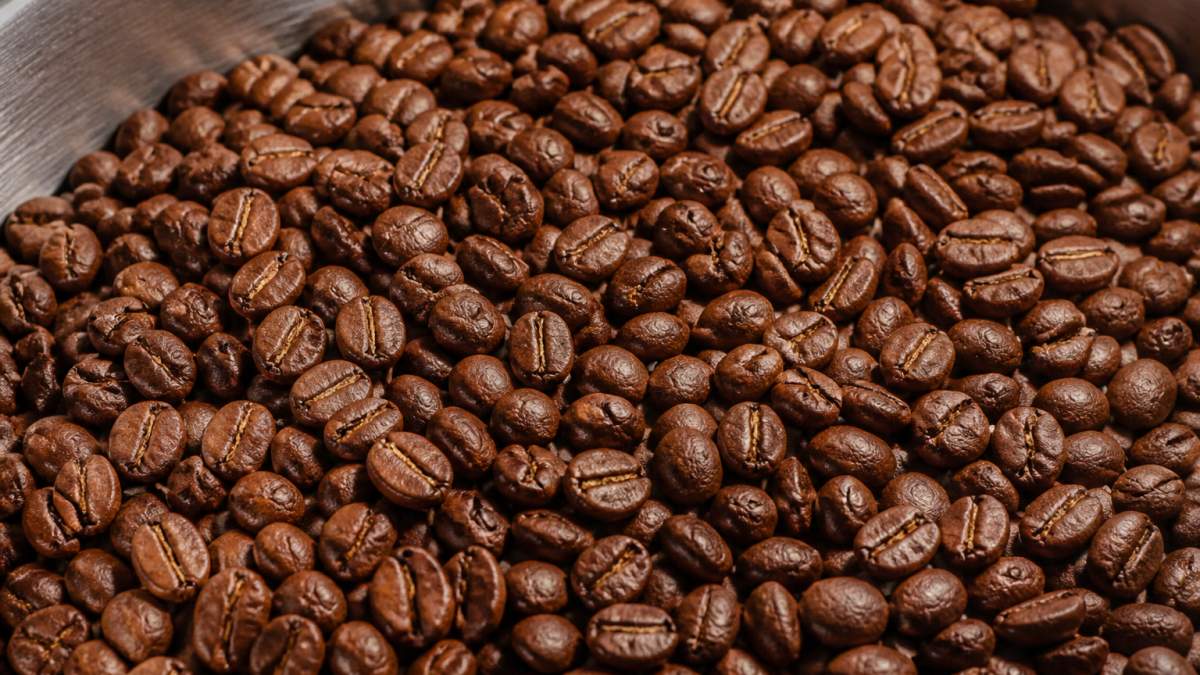
Open a bag of quality coffee and look at the beans. They should be uniform in colour, pale beans indicate under-roasting, dark beans over-roasting.
Oiliness depends on roast level: light roasts show minimal surface oil, medium a slight sheen, dark noticeable oil.
Look for chips, cracks, or discoloured spots. A few defects are acceptable; many suggest poor quality control.
Identifying High Quality Coffee Through Sensory Evaluation
Sensory evaluation separates casual drinkers from people who understand coffee. You don't need expensive equipment or formal training, just attention and a system.
Aroma and Fragrance
Aroma is the first signal of quality. Grind your beans and smell them immediately.
Stale coffee smells flat; fresh coffee smells layered, because volatile aromatic compounds are still present.
Fragrance, the smell of brewed coffee, tells a different story. A quality cup smells vibrant and clean; musty, sour, or burnt off-smells indicate extraction or bean quality issues.
Flavour Notes, Acidity and Body
Flavour notes describe what you taste, not what's in the cup. "Notes of cherry and chocolate" is a reference point, not literal ingredients.
Acidity in coffee isn't about pH, it's brightness and liveliness. High-altitude African coffees have pronounced acidity that feels crisp and clean; sour tastes sharp, acidity tastes bright.
Body is the weight and texture of coffee in your mouth: light feels thin, full feels heavy and coating, medium is balanced.
Mouthfeel, Aftertaste and Extraction
Mouthfeel is how the coffee feels on your palate, smooth, rough, silky, or gritty. Quality coffee feels clean; roughness suggests over-extraction or poor beans.
Aftertaste lingers after you swallow. Quality coffee leaves a pleasant, clean finish; poor coffee leaves a bitter or sour aftertaste.
Ethiopian Single Origin Espresso →
Extraction is the percentage of soluble solids dissolved into your cup; optimal is 18-22% for espresso. Grind consistency directly affects extraction, which is why pre-ground versus freshly ground coffee matters.
How to Taste Coffee Like a Professional
Professional tasters use structured methods to evaluate coffee objectively. You can apply these techniques at home.
The Cupping Method
Cupping is the industry standard for coffee evaluation: ground coffee, hot water, and systematic tasting. It removes variables so you can focus on the bean.
Grind medium-fine and place in a cup. Pour hot water (around 92°C) over the grounds, steep four minutes, then break the crust.
Cupping works because it's consistent: taste the same coffee repeatedly, or different coffees side by side under identical conditions. You can practice these techniques with a fermentation project tasting kit.
Using the Tasting Wheel
The tasting wheel maps flavour descriptors in a circle. At the centre are broad categories (fruity, floral, nutty, chocolatey); moving outward, descriptors become more specific (cherry, blueberry, strawberry under fruity).
When you taste a coffee, start at the centre and work outward. Which fruits, citrus or stone fruit? The Coffee Tasters Flavour Wheel is the tool professionals use; keeping it visible while you taste trains your palate and builds your vocabulary.
Avoiding Common Pitfalls: What Doesn't Guarantee Quality
Price, labels and certifications are weak proxies for quality. A bag marked "premium" can be commodity coffee with better typography. A $35 bag roasted carelessly tastes worse than a $19 bag roasted with precision.
The more useful skill is diagnostic: when a cup tastes wrong, can you name the cause? The table below connects what you taste to what went wrong, so you can fix it rather than guess.
| What you taste | Most likely cause | What to check first |
|---|---|---|
| Sour, sharp, thin | Under-extraction | Grind finer; check water temperature is near 92°C; confirm brew ratio |
| Bitter, harsh, drying | Over-extraction | Grind coarser; shorten contact time; check water temperature isn't too high |
| Flat, papery, stale | Oxidation or poor storage | Check roast date; confirm airtight storage away from light and heat |
| Muddy, cloudy, silty | Too many fines or an inconsistent grind | Check grinder burr condition; sieve a sample to inspect particle distribution |
| Salty or metallic | Water chemistry or bean defect | Test water hardness; inspect beans for discolouration and chips |
| Hollow mid-palate with a fast finish | Low bean density or under-developed roast | Ask for altitude and processing details; compare against a known dense bean |
Brand reputation is the last trap. A strong roaster can have an off batch; an unknown small roaster can produce exceptional coffee. Roast date, origin transparency and your own structured tasting matter more than the name on the bag.
Storage and Preservation: Protecting Quality After Purchase
Quality coffee deteriorates from the moment it is roasted. Oxygen oxidises the aromatic oils that carry flavour; moisture drives staling and can promote mould; heat accelerates degradation; light breaks down volatile compounds at the surface.
Whole beans stay fresh for roughly 3-4 weeks post-roast; ground coffee for 1-2 weeks, because grinding multiplies the surface area exposed to oxygen. That is why pre-ground versus freshly ground coffee is a quality decision, not a convenience one.
Matching Storage to the Sensory Signs
Storage preserves the layered aroma, bright acidity and clean finish this guide taught you to look for. A bean stored well still shows distinct flavour notes at week three; one stored badly smells flat and tastes papery by week two, even with a recent roast date. When a cup loses its aroma early, storage is the first suspect.
Freezing, Done Properly
Freezing extends freshness if you control moisture. Store beans in an airtight container in the freezer and remove only what you need for the next few days. Repeated thawing creates condensation that degrades quality faster than room-temperature storage, so portion into small, single-use containers.
A Simple Storage Checklist
- Airtight, opaque container, light and oxygen are the two fastest routes to stale coffee.
- One container per bag, filled close to the top to minimise headspace and trapped air.
- Store whole beans; grind immediately before brewing.
Selecting Your First Premium Single Origin
Ready to invest in quality? Start with a single origin, coffee from one specific farm or region, rather than a blend.
Our Ethiopian Single Origin Espresso is a natural process Guji Alaka with cocoa, candy citrus, limoncello, and apricot notes, medium roasted, medium-bodied, and designed for espresso.

For experimental flavours, the Costa Rica Volcan Azul Geisha is a limited-edition natural process coffee with jasmine, tropical fruit, and delicate acidity.
Start with one of these.
Identifying high-quality coffee transforms your daily cup, whether you use a basic home machine or high-end equipment.
Frequently Asked Questions
How can you tell if coffee beans are high quality?
High quality coffee starts with specialty grade classification, a Q-score of 80 or higher. Look for a recent roast date (within 1-2 weeks), even colour and bean density, and a clear origin on the label. Smell the beans: quality coffee has complex, clean aroma without stale or musty notes. When brewed, it should display distinct flavour notes, balanced acidity and body, and a clean aftertaste. Commodity coffee lacks this complexity and consistency.
What does specialty coffee mean?
Specialty coffee is defined by an industry Q-score of 80 or higher, assessed through professional cupping. It represents the top tier of coffee quality, characterised by traceability to origin, altitude and processing method. Specialty grade beans undergo rigorous quality control: green coffee with moisture above 12.5% is rejected. These coffees display distinct sensory profiles, specific flavour notes, balanced acidity and body, rather than the flat, one-dimensional taste of commodity coffee. Specialty consumption has grown to 58% of the market as of 2026.
Why does roast date matter when choosing coffee?
Roast date determines freshness and flavour stability. Coffee peaks in flavour 1-5 weeks after roasting, when CO2 has degassed enough for even extraction, yet the beans retain their aromatic compounds. Beans older than 6-8 weeks lose brightness and complexity, tasting flat or stale. Check the roast date on the bag, quality roasters print it prominently. Avoid coffee with no roast date or a date older than 2 months. This single indicator often separates premium roasters from commodity suppliers.
How do I taste coffee like a professional to assess quality?
Start with the cupping method: grind beans coarsely, add hot water (around 92°C), and let them steep for 4 minutes. Break the crust, smell the aroma, then slurp the coffee loudly to coat your palate. Note the aroma, flavour, body, acidity, aftertaste and balance. Use a tasting wheel to name specific notes, fruity, floral, nutty, chocolatey, caramel. Compare the coffee's profile to its origin: Ethiopian beans typically show fruity and floral notes; Kenyan coffee displays blackcurrant and citrus. Quality coffee will have clear, distinct notes rather than muddy or bitter flavours.
Are single-origin beans better quality than blends?
Both can be high quality, but they serve different purposes. Single-origin coffees showcase the unique flavour of one farm or region, a specific altitude, processing method and terroir. Blends combine beans from different origins to create complexity and balance. A premium blend, like Garage Roasters' Out of Africa Blend, is crafted to highlight intensity and brightness by mixing natural and washed processes. Quality matters more than type: a well-roasted single origin and a thoughtfully composed blend can both score 80+ on the specialty scale.
How can I tell if coffee beans are stale?
Stale coffee shows several signs: a roast date older than 2 months, dull or faded colour (instead of even, rich brown), lack of aroma or musty smell, and flat, bitter or sour taste in the cup. Moisture content also matters, beans stored in humid conditions absorb moisture and lose flavour. Check the bag for freshness indicators: quality roasters seal bags in one-way valves to release CO2 while keeping air out. If beans smell like cardboard or taste thin and bitter, they're past their prime.
What do coffee grades mean?
Coffee grades measure quality based on defects, density and processing. Grade 1 is the highest, with minimal defects and dense beans that indicate high altitude and careful cultivation. Green coffee (unroasted beans) with moisture above 12.5% is typically rejected by buyers as a quality standard. Specialty grade coffees (Q-score 80+) are almost always Grade 1. The grading system ensures consistency: when you see 'Grade 1' on a bag, you know the green beans met strict standards before roasting, which is a reliable quality indicator.
